 Image 1 of 1
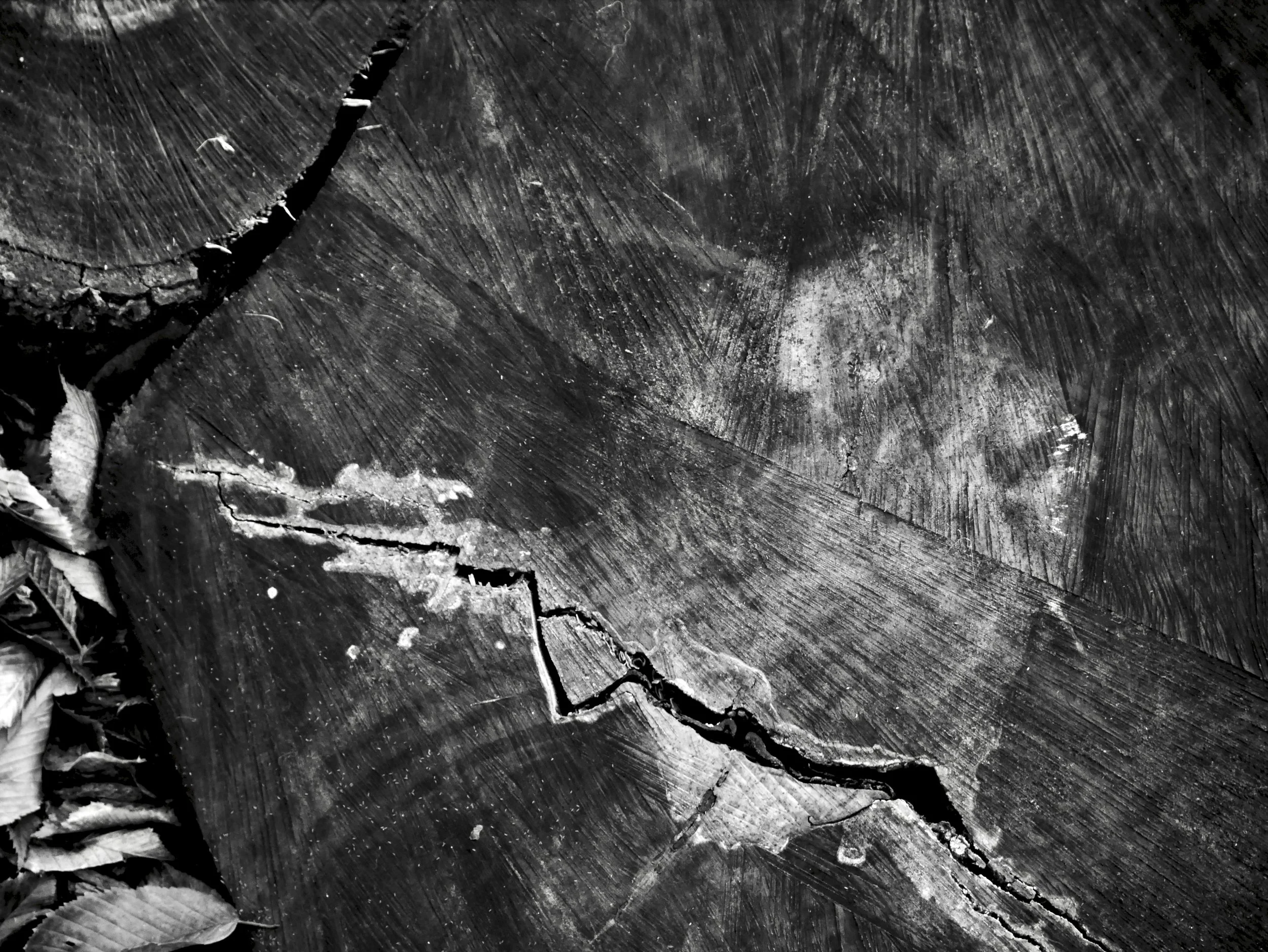
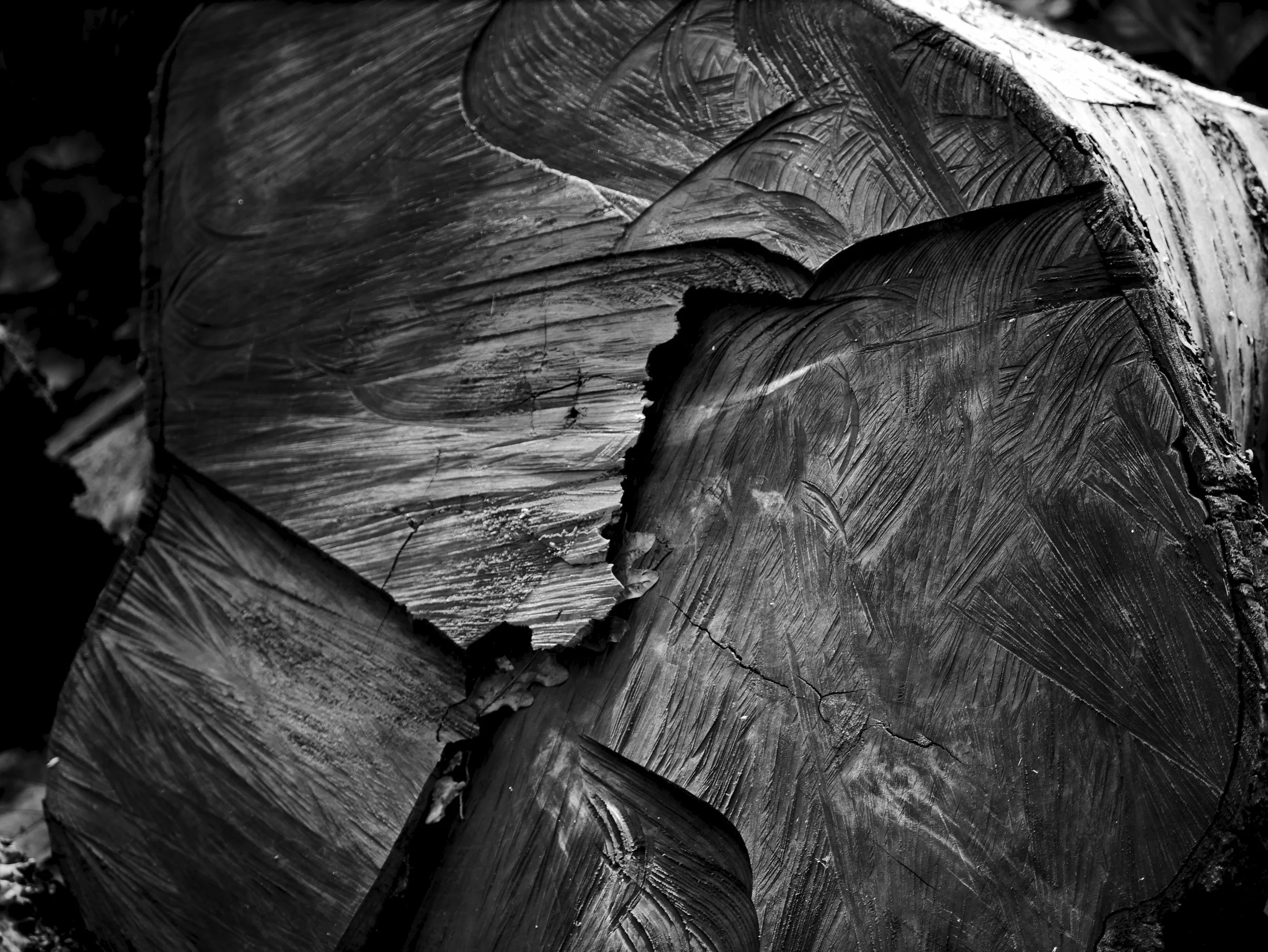
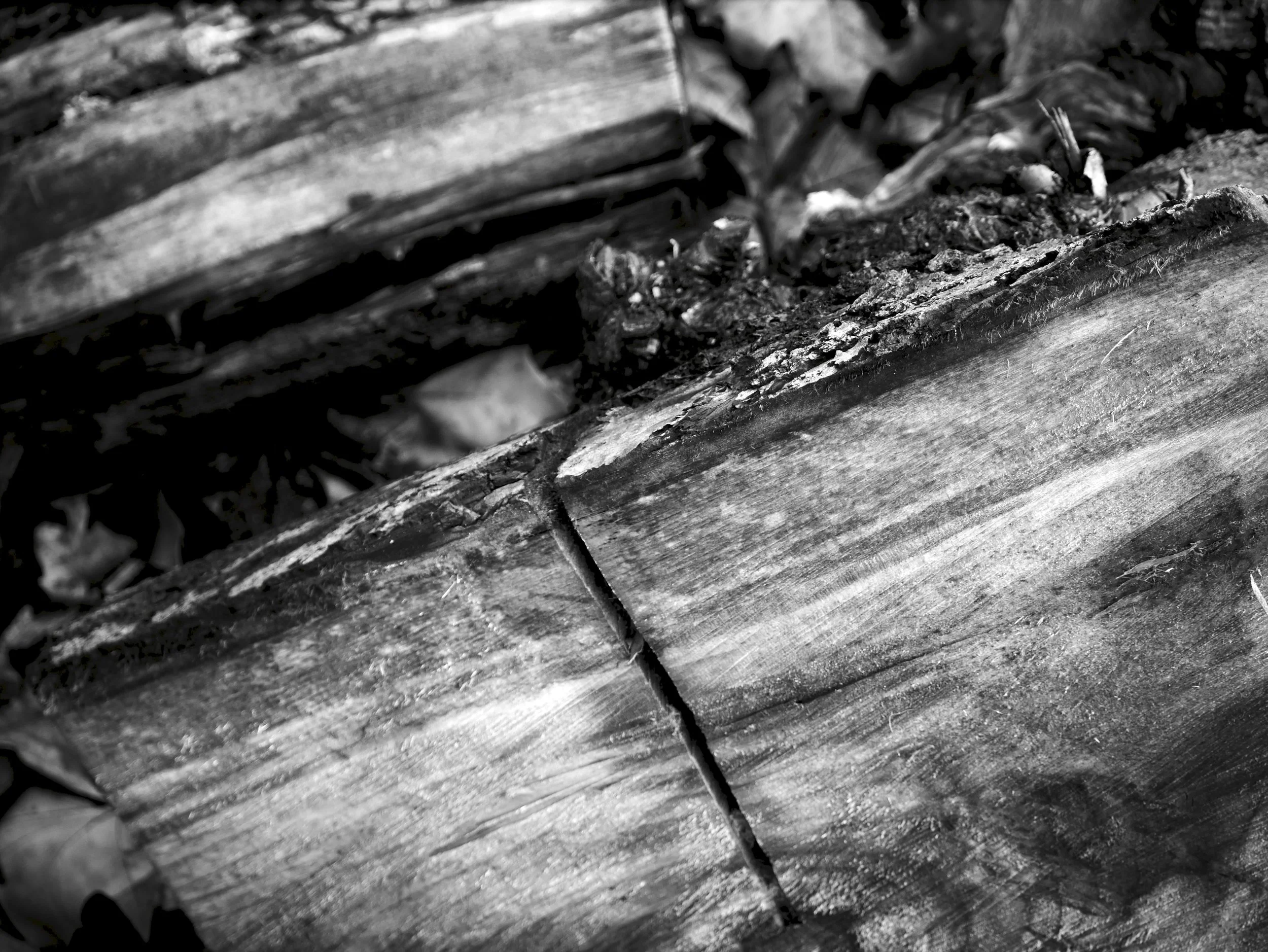
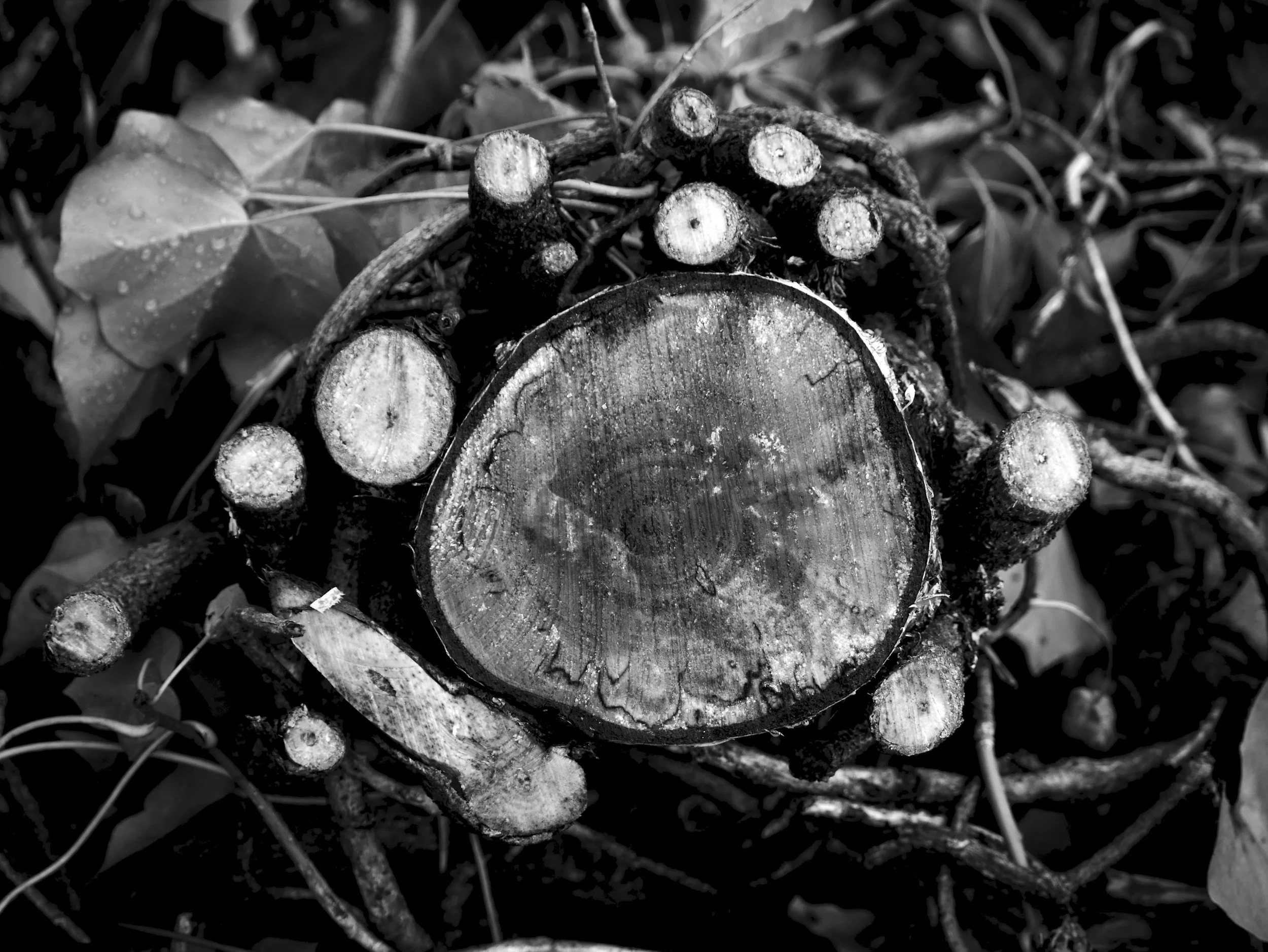
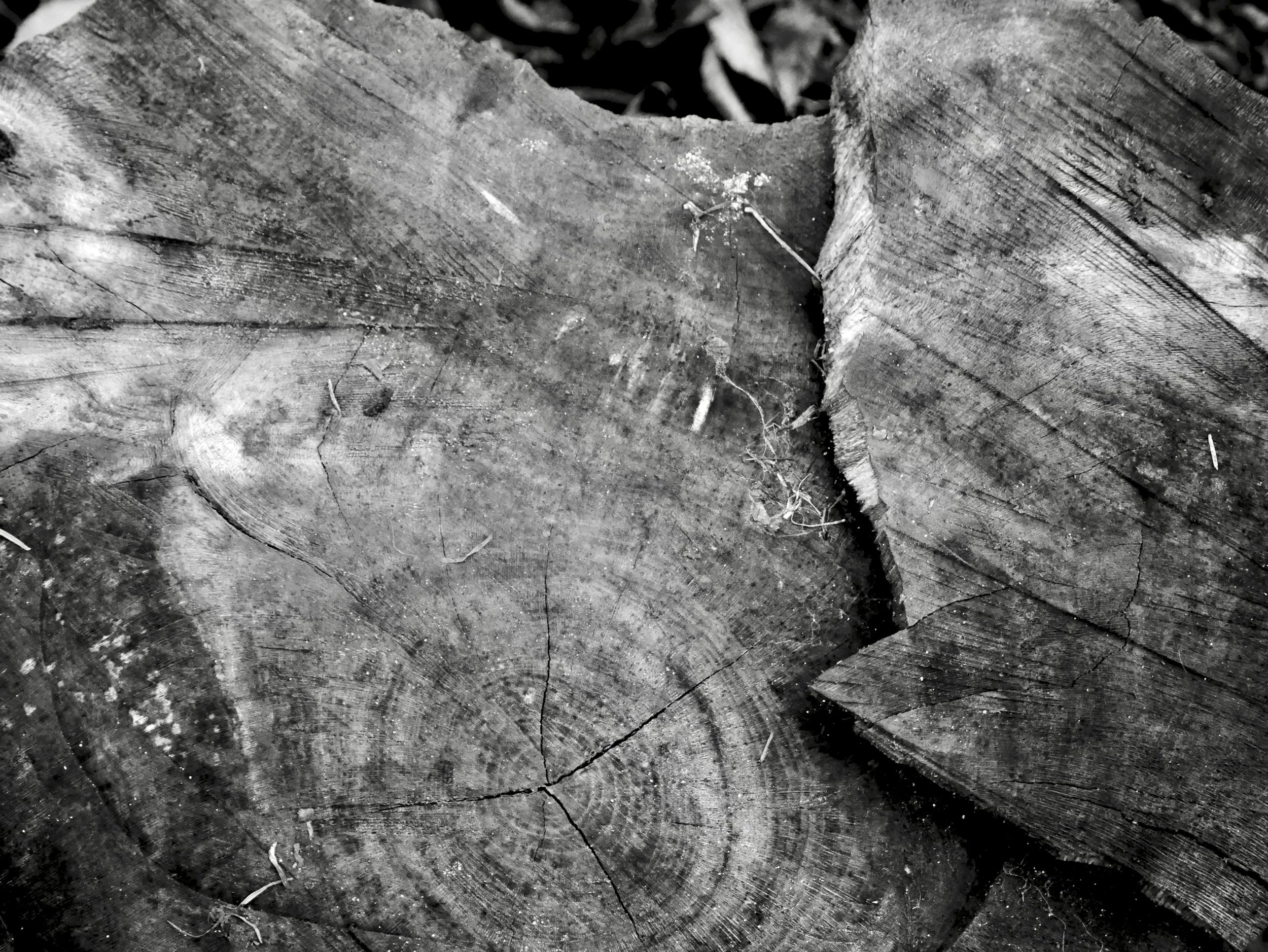
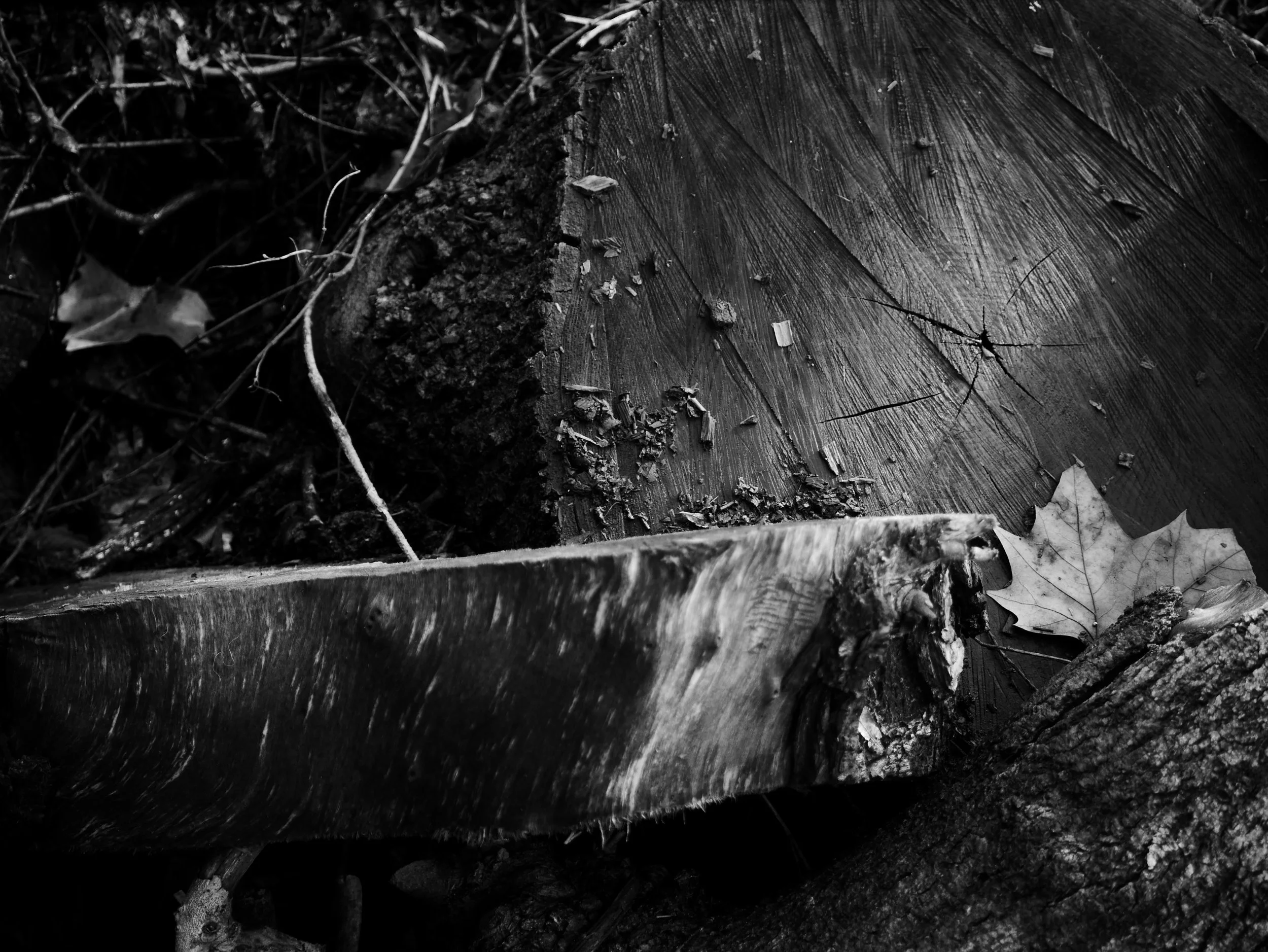
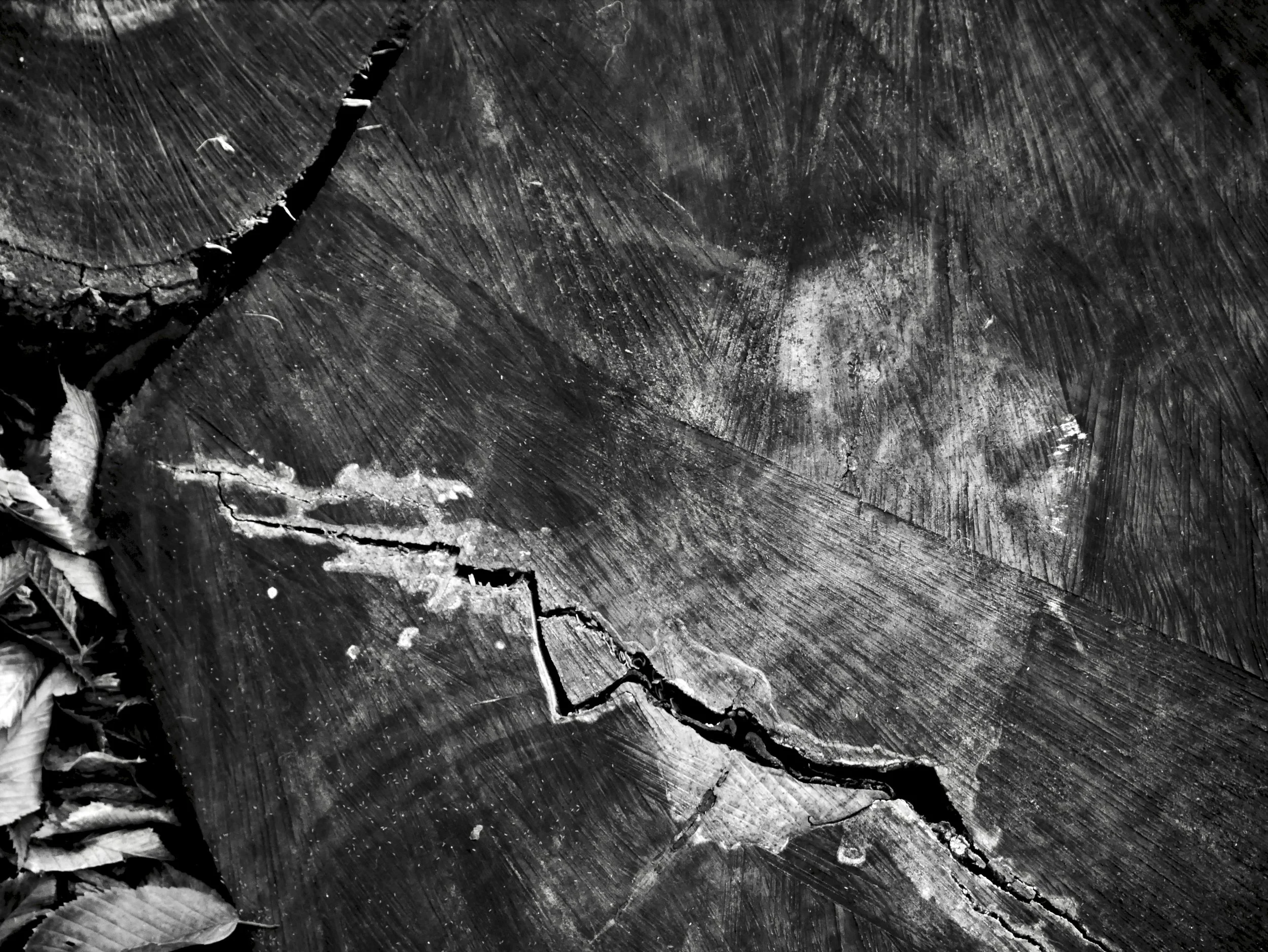
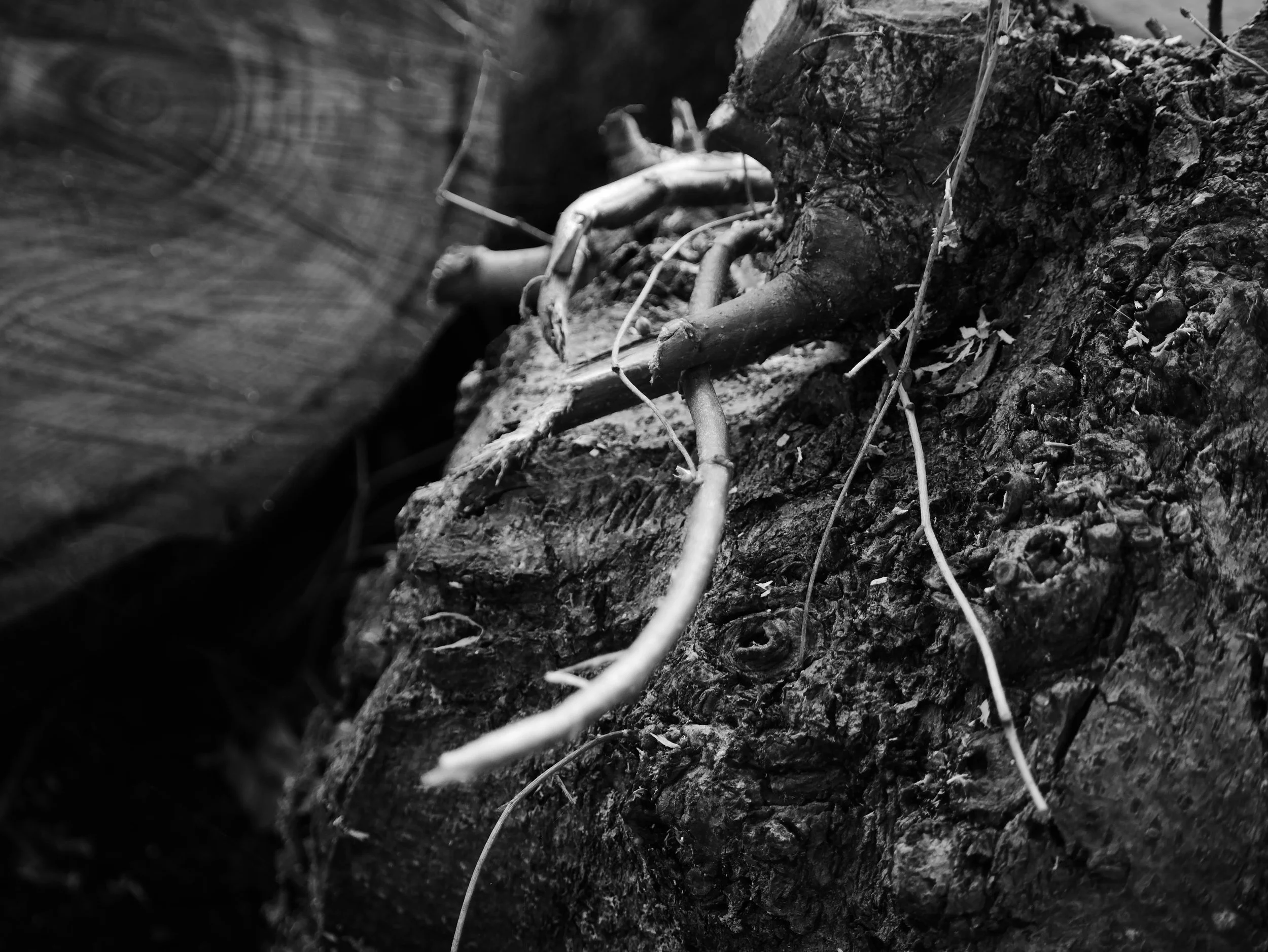
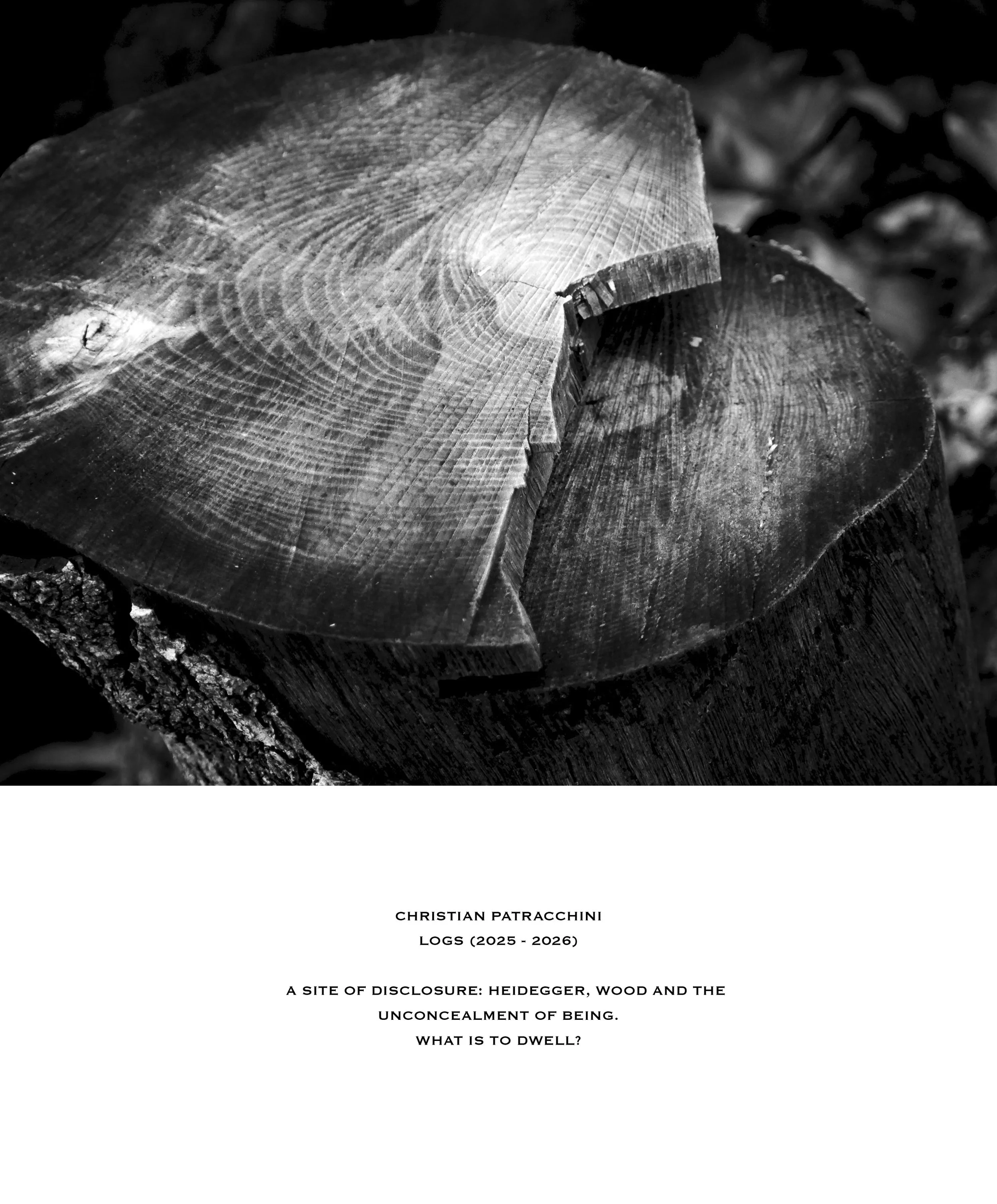
This series of photograph and book do not offer an argument. They offers an encounter. The images that follow explore wood, fallen trunks, exposed rings, fractured grain, not as subjects to be documented, nor as symbols to be decoded, but as sites in which something comes into presence. They do not illustrate Heidegger’s thought, nor does philosophy serve as their explanation. Rather, both image and reflection move along bordering paths, sometimes converging, sometimes diverging, always remaining incomplete.
For Heidegger, truth is not correctness but aletheia - unconcealment. A clearing in which something appears. Such clearing is never total. What is disclosed always retains a dimension of retraction. The fragments gathered here dwell within that tension. Wood, once vertical and alive, now cut and horizontal, bears the passing of time within its rings and fractures. Yet what it reveals is not simply history or material fact. It reveals the strangeness of presence itself: how something stands before us, shaped by growth and intervention, by earth and hand, by concealment and exposure.
These photographs do not seek to master their subject. They remain close to surfaces, textures, and shadows. In doing so, they attempt a gesture of Gelassenheit, a letting-be. The thinking that accompanies them does not resolve what appears; it lingers with it.
If there is a thesis, it is only this: that also in what seems most ordinary, cut wood resting on the forest floor, being may quietly disclose itself. This book is a site. The disclosure, if it occurs, takes place between the work and the one who dwells with it.
Limited edition /50
Published by ZenoPress
2026
179 Pages, softcover
ISBN 978-0-9955017-5-1
This series of photograph and book do not offer an argument. They offers an encounter. The images that follow explore wood, fallen trunks, exposed rings, fractured grain, not as subjects to be documented, nor as symbols to be decoded, but as sites in which something comes into presence. They do not illustrate Heidegger’s thought, nor does philosophy serve as their explanation. Rather, both image and reflection move along bordering paths, sometimes converging, sometimes diverging, always remaining incomplete.
For Heidegger, truth is not correctness but aletheia - unconcealment. A clearing in which something appears. Such clearing is never total. What is disclosed always retains a dimension of retraction. The fragments gathered here dwell within that tension. Wood, once vertical and alive, now cut and horizontal, bears the passing of time within its rings and fractures. Yet what it reveals is not simply history or material fact. It reveals the strangeness of presence itself: how something stands before us, shaped by growth and intervention, by earth and hand, by concealment and exposure.
These photographs do not seek to master their subject. They remain close to surfaces, textures, and shadows. In doing so, they attempt a gesture of Gelassenheit, a letting-be. The thinking that accompanies them does not resolve what appears; it lingers with it.
If there is a thesis, it is only this: that also in what seems most ordinary, cut wood resting on the forest floor, being may quietly disclose itself. This book is a site. The disclosure, if it occurs, takes place between the work and the one who dwells with it.
Limited edition /50
Published by ZenoPress
2026
179 Pages, softcover
ISBN 978-0-9955017-5-1