What Appears Does Not Fully Arrive
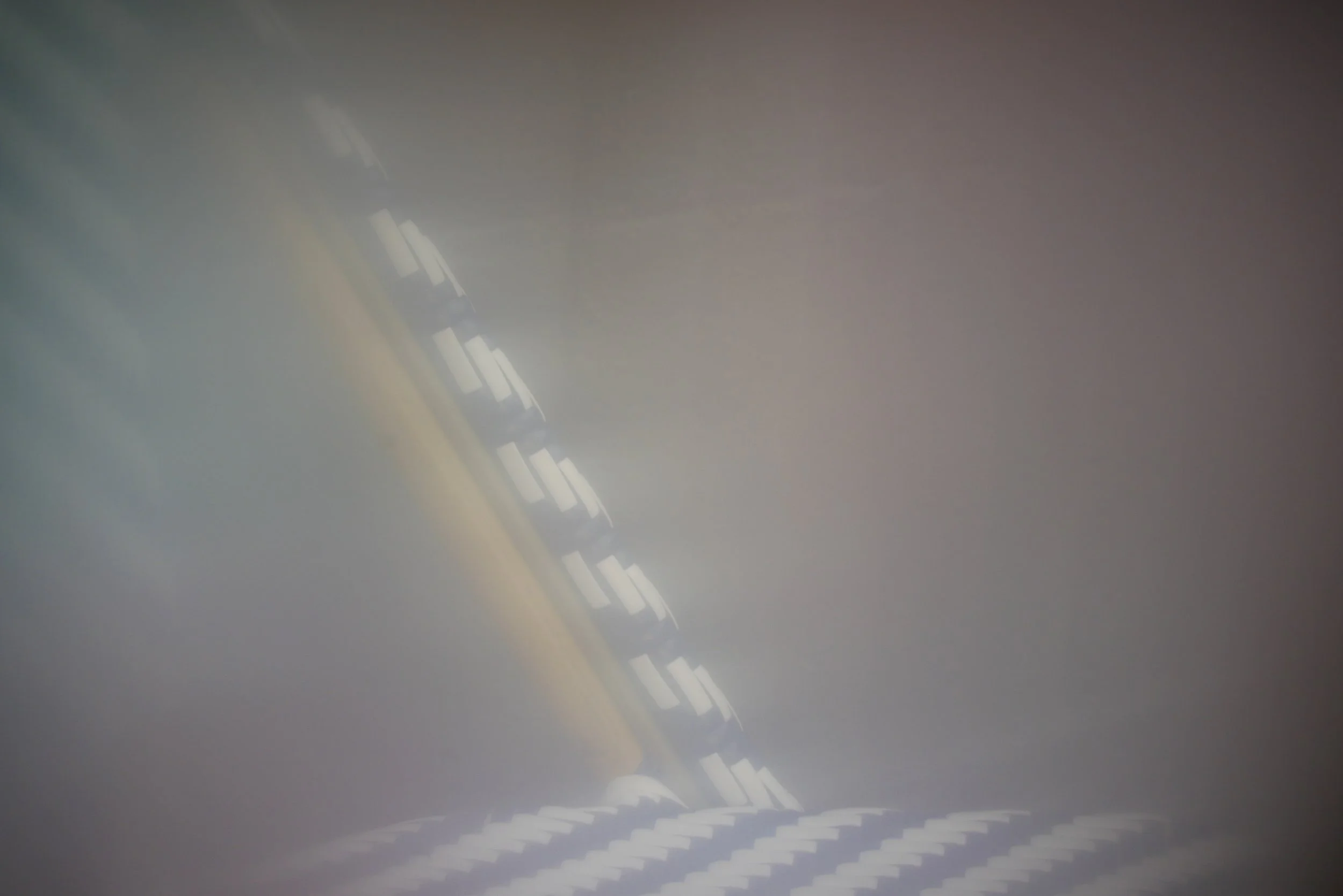
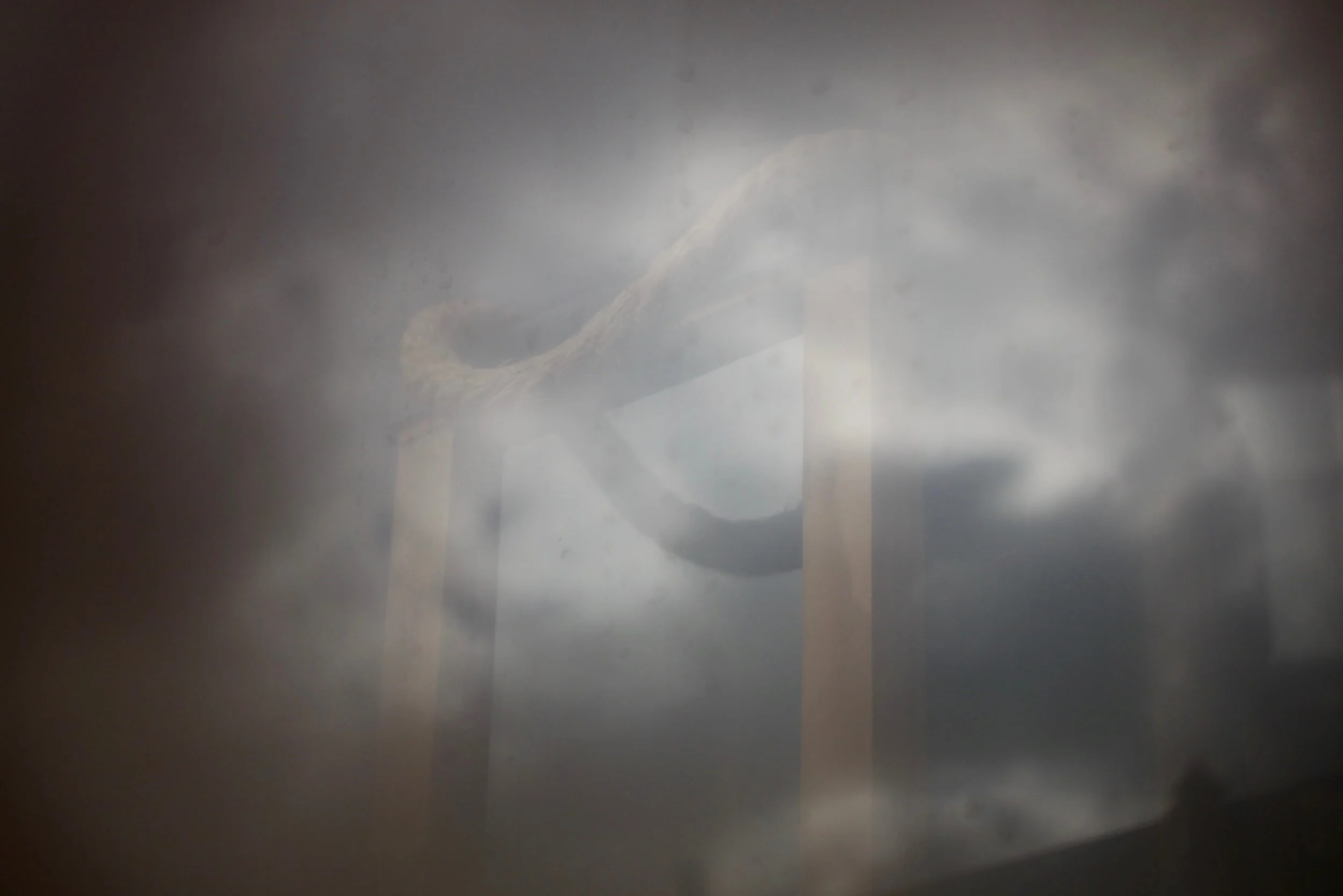
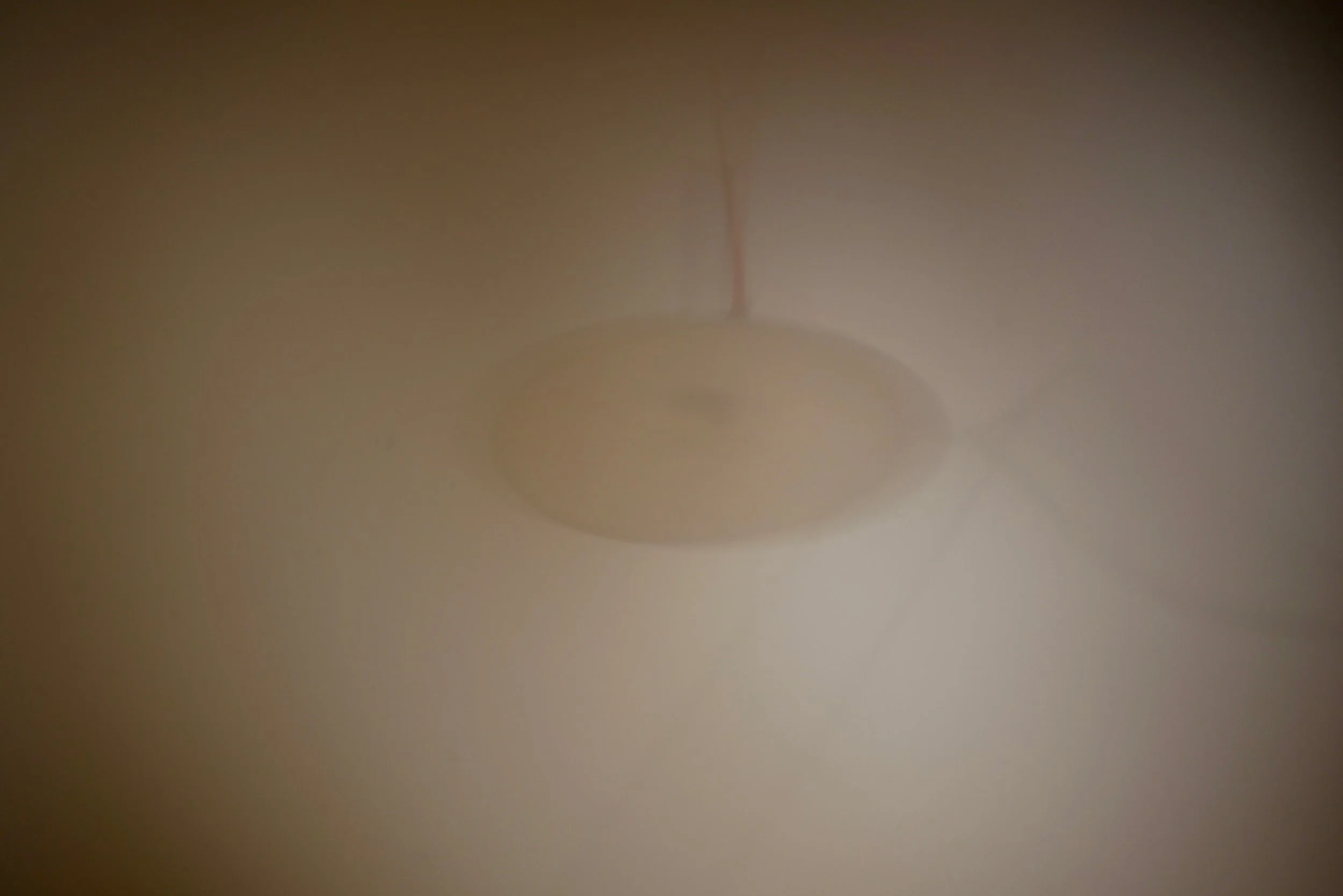
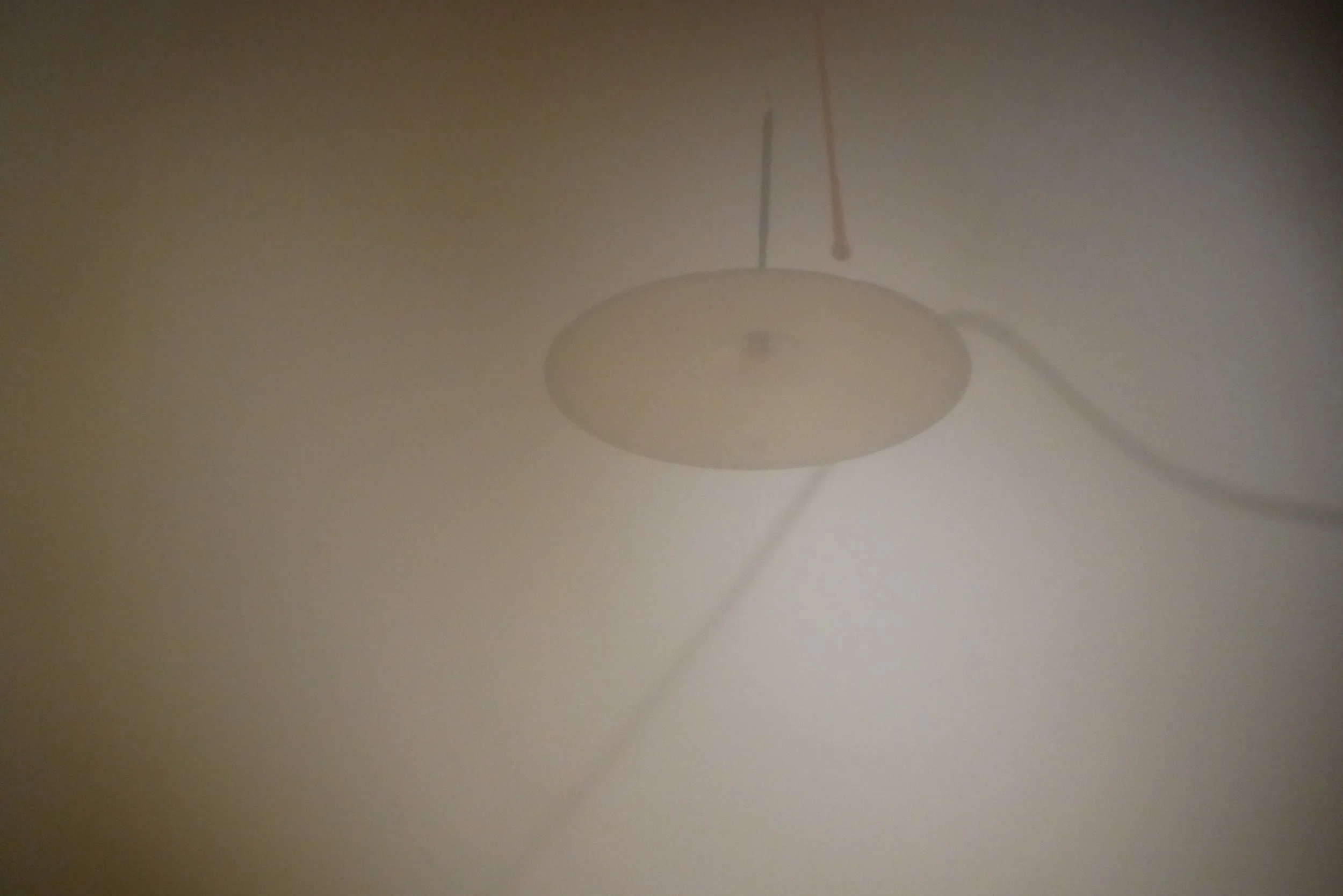
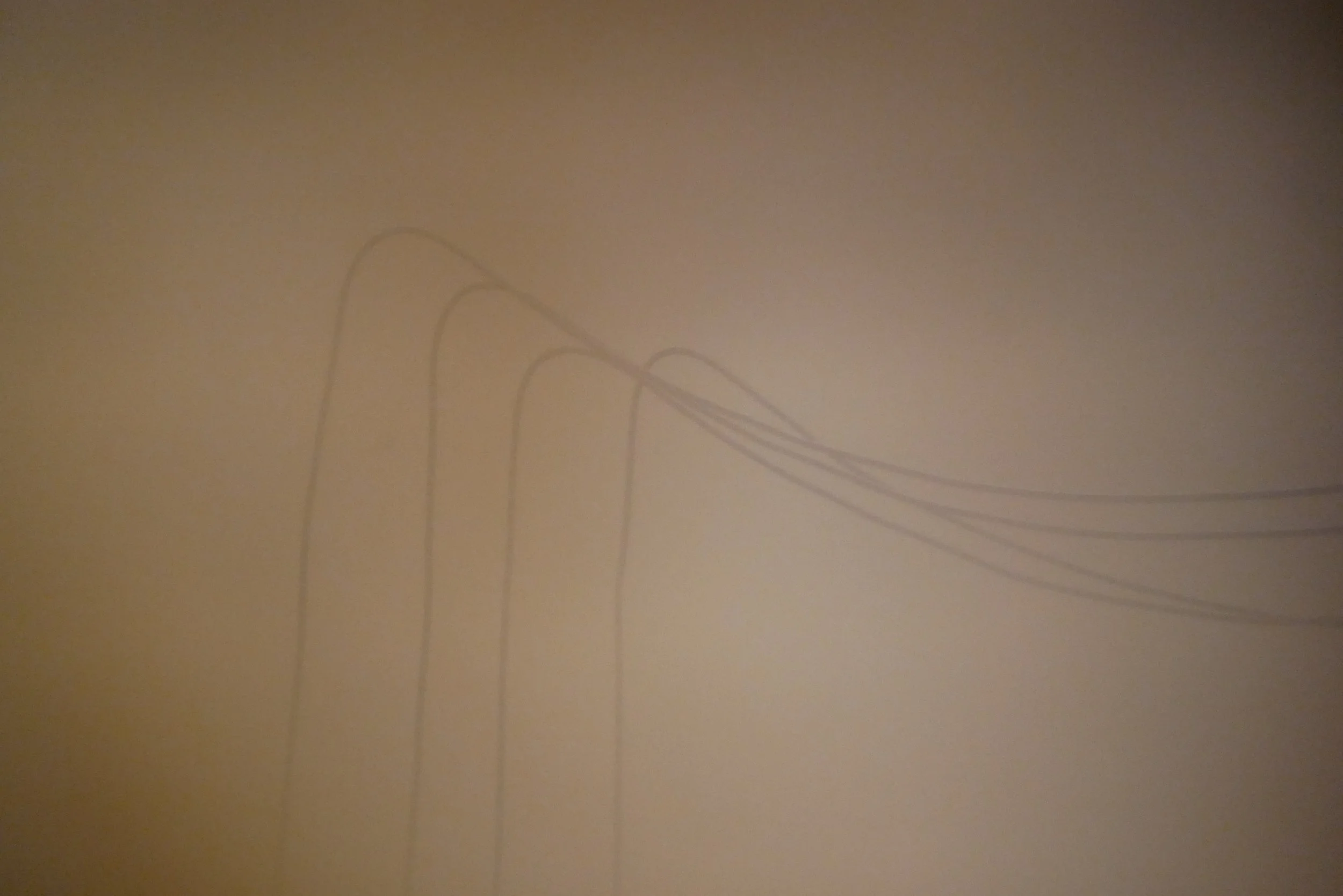
These photographs begin with a simple act: cling film stretched over the lens, lipstick pressed into its surface. The result is a membrane between the camera and the world, something that lets things through without letting them arrive completely. Nothing is hidden, but nothing is fully revealed either. Figures, landscapes, interiors , they move toward the light without quite reaching it.
What drew me to the lipstick was the particular nature of its gesture. It is not a mistake or a malfunction. It is a deliberate choice to see less clearly, and in doing so, to see differently. The smear on the lens becomes part of the image. The obstruction becomes the photograph.
I have always been more interested in the moment something comes into visibility than in the moment it becomes plain. These images live in that interval. What you see in them is not quite a thing, but the possibility of a thing.
A world still in the act of appearing.
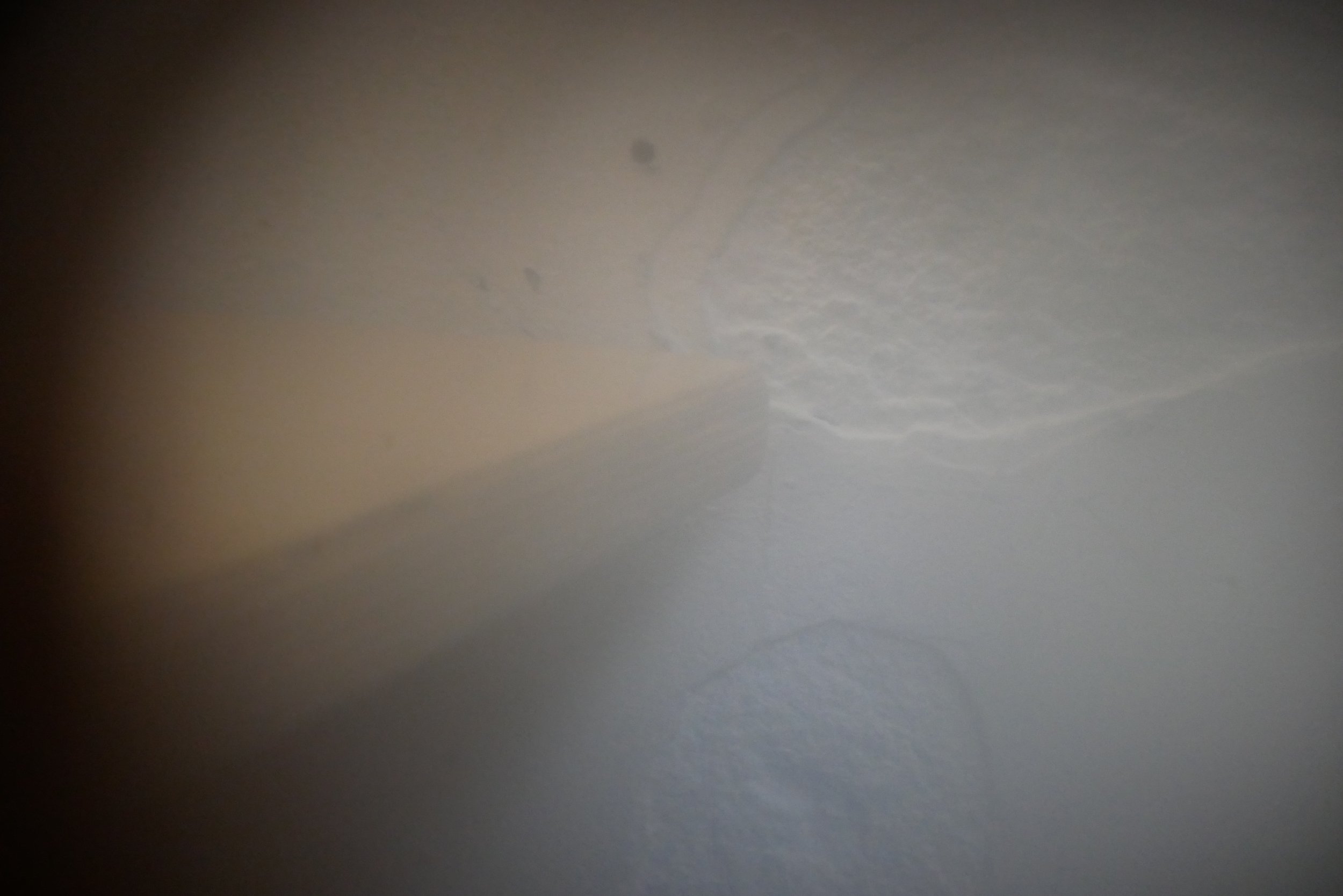
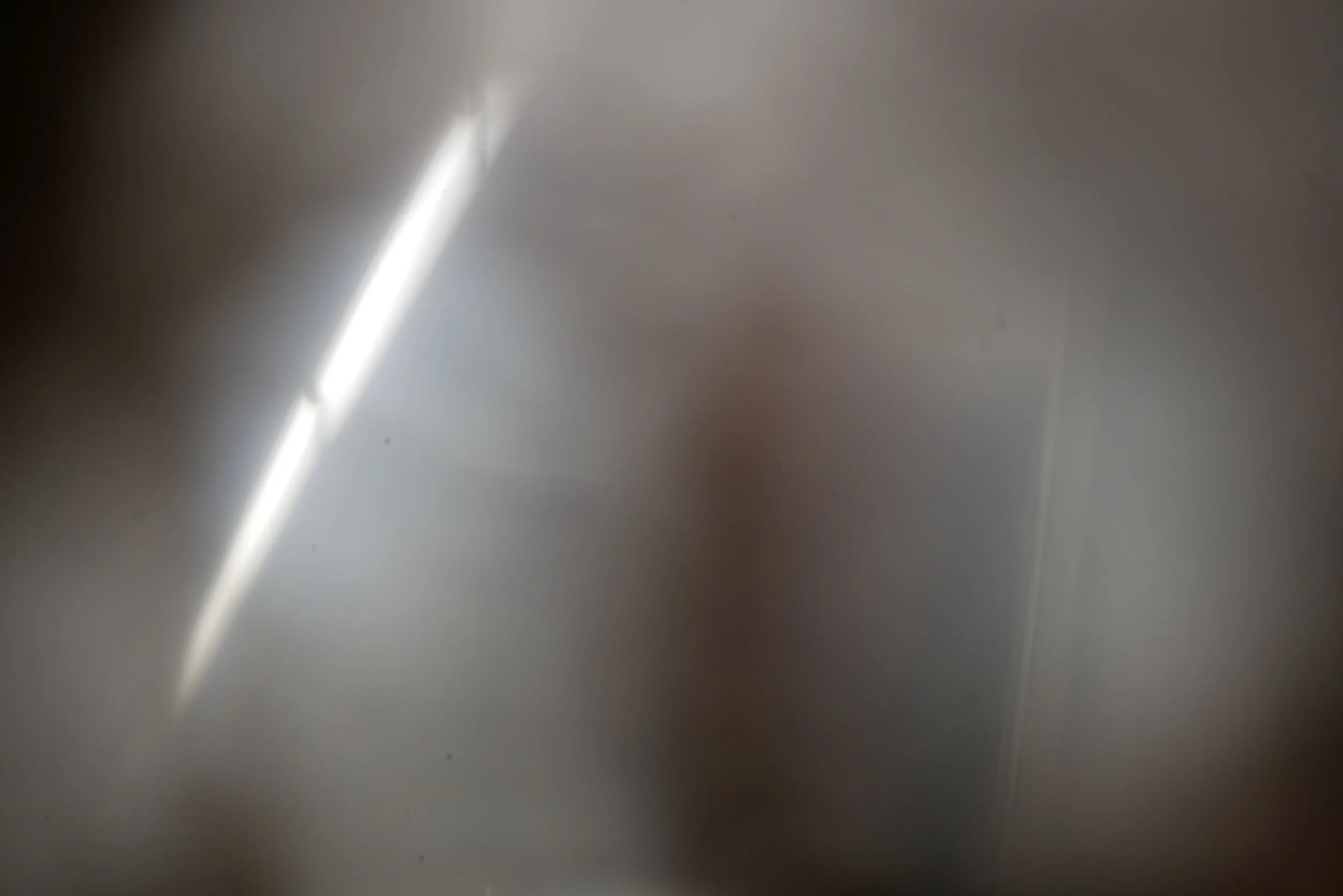
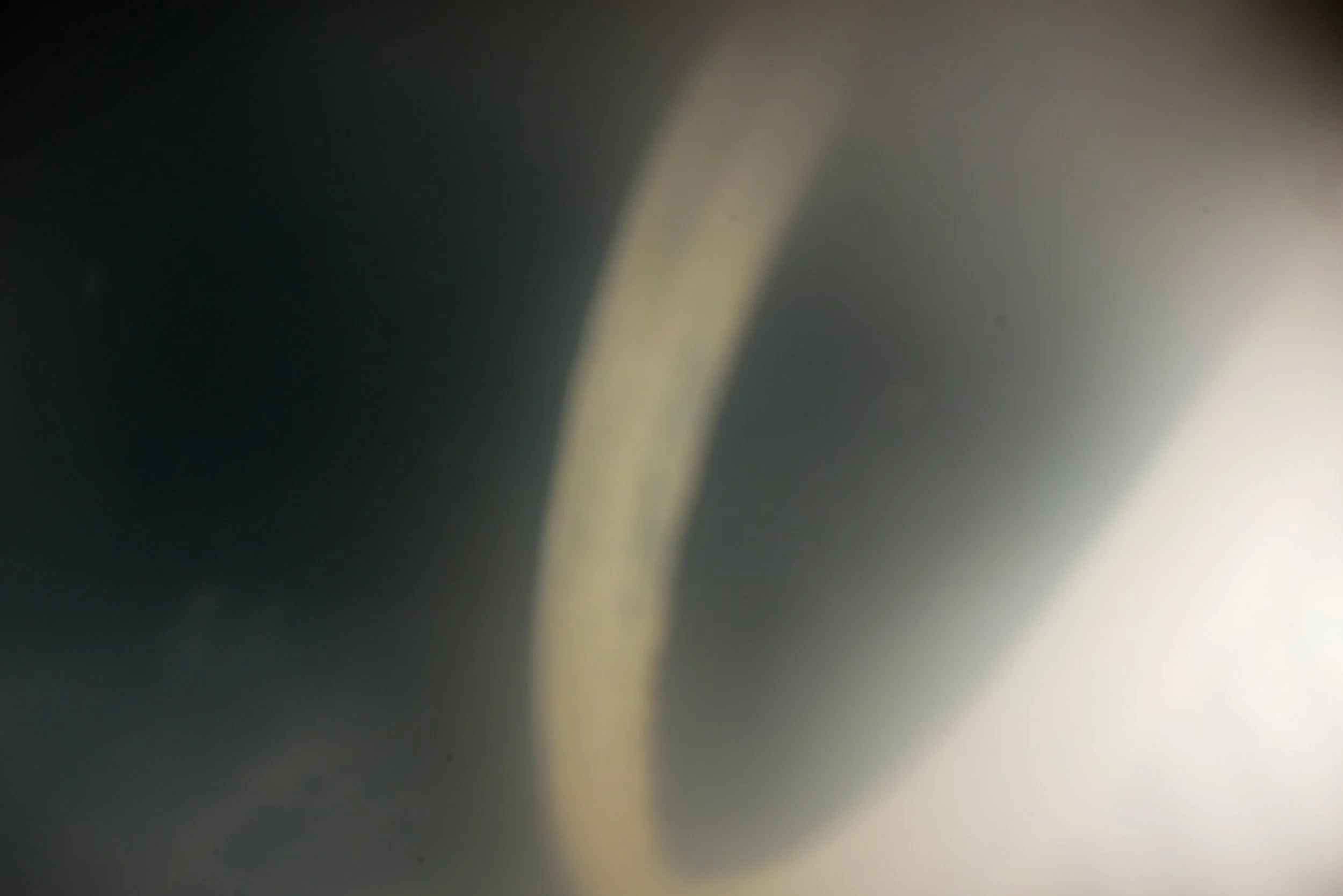
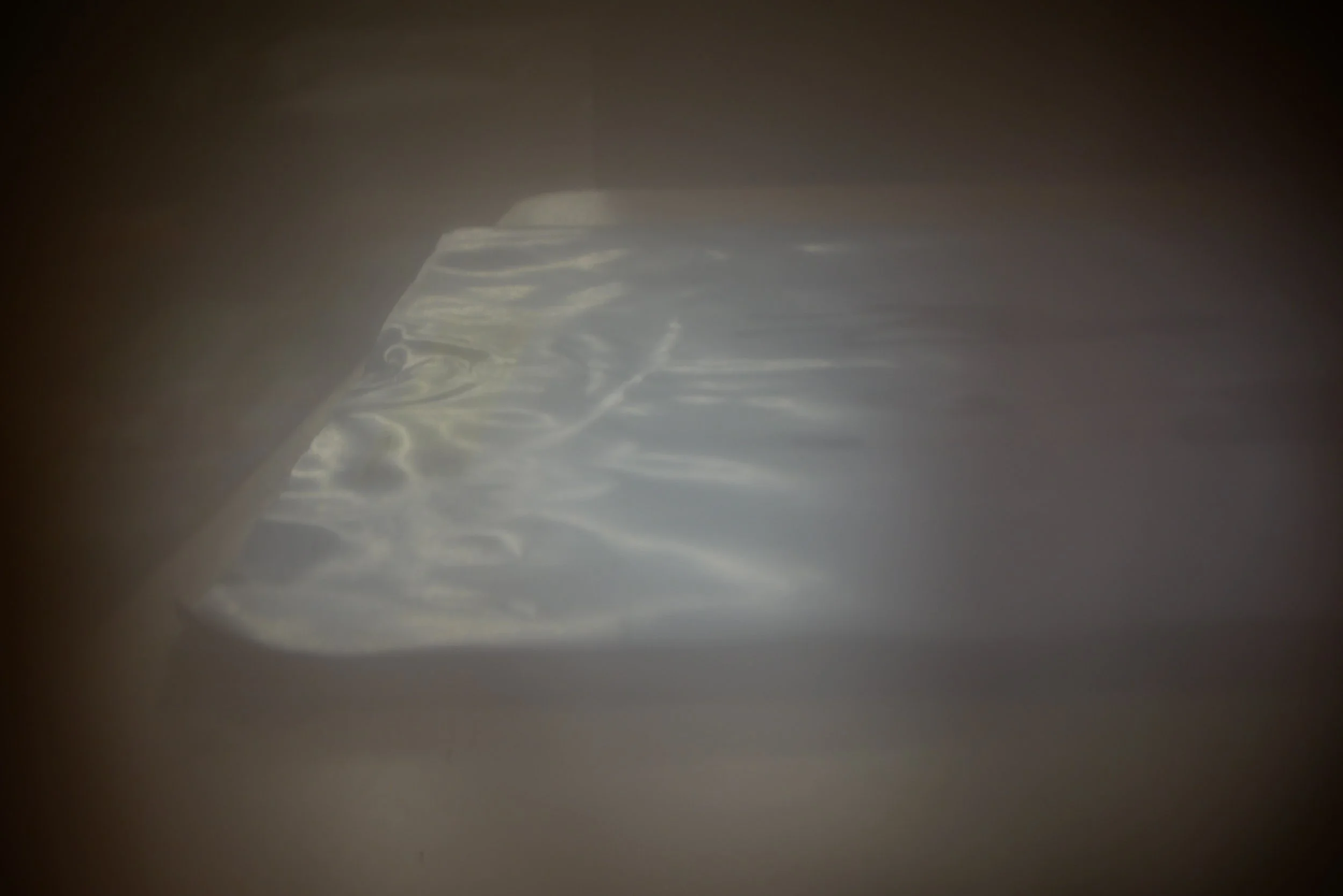
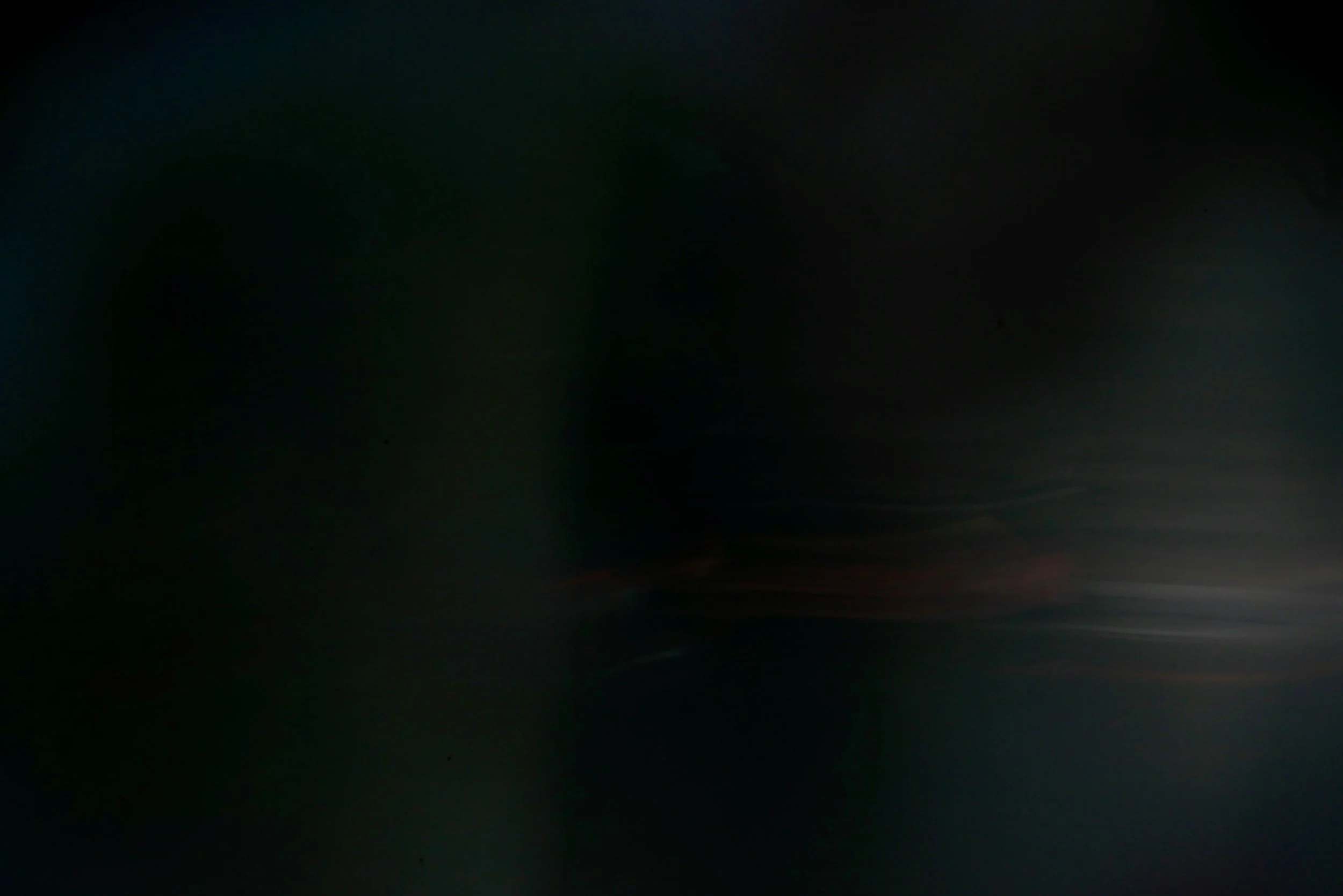
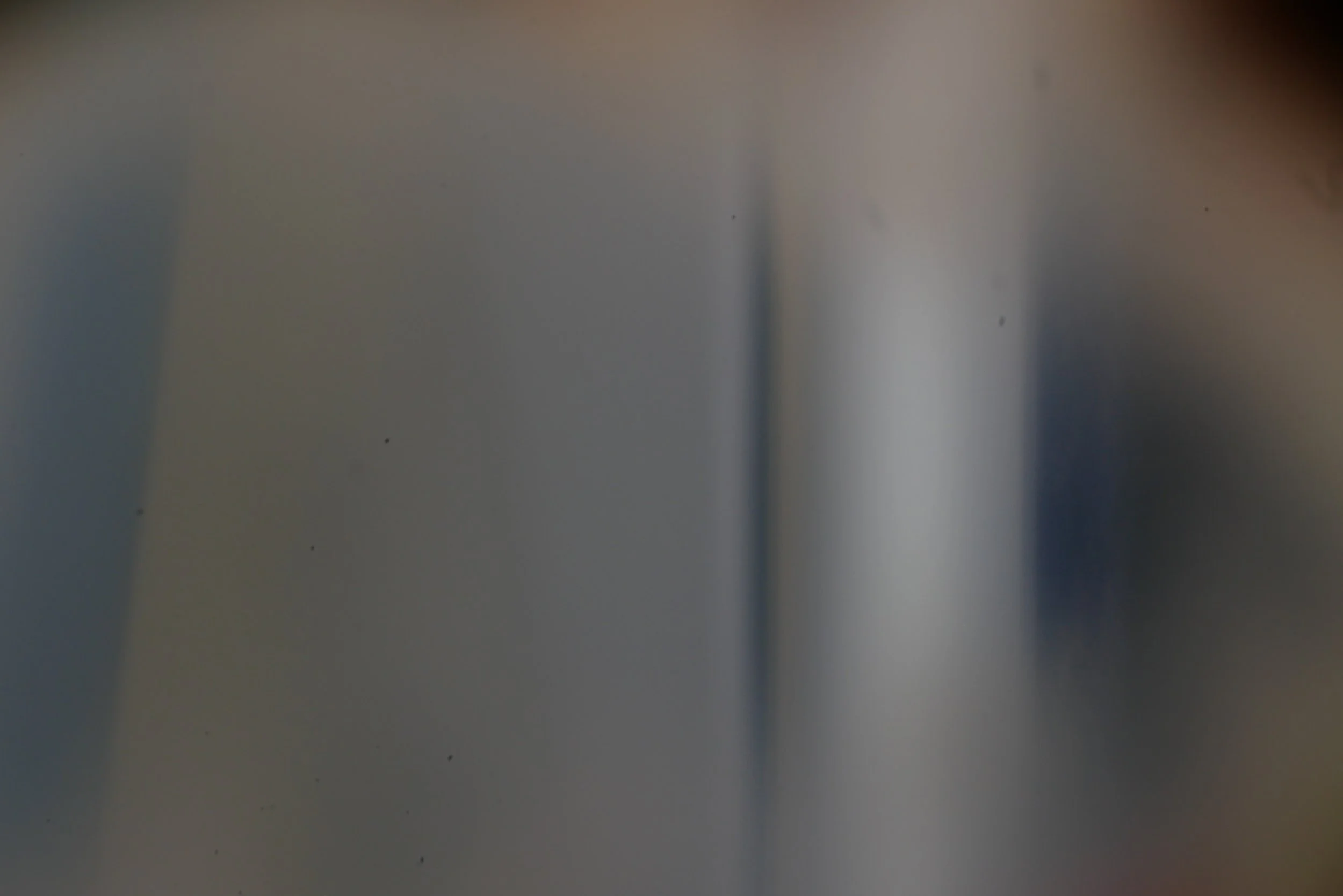
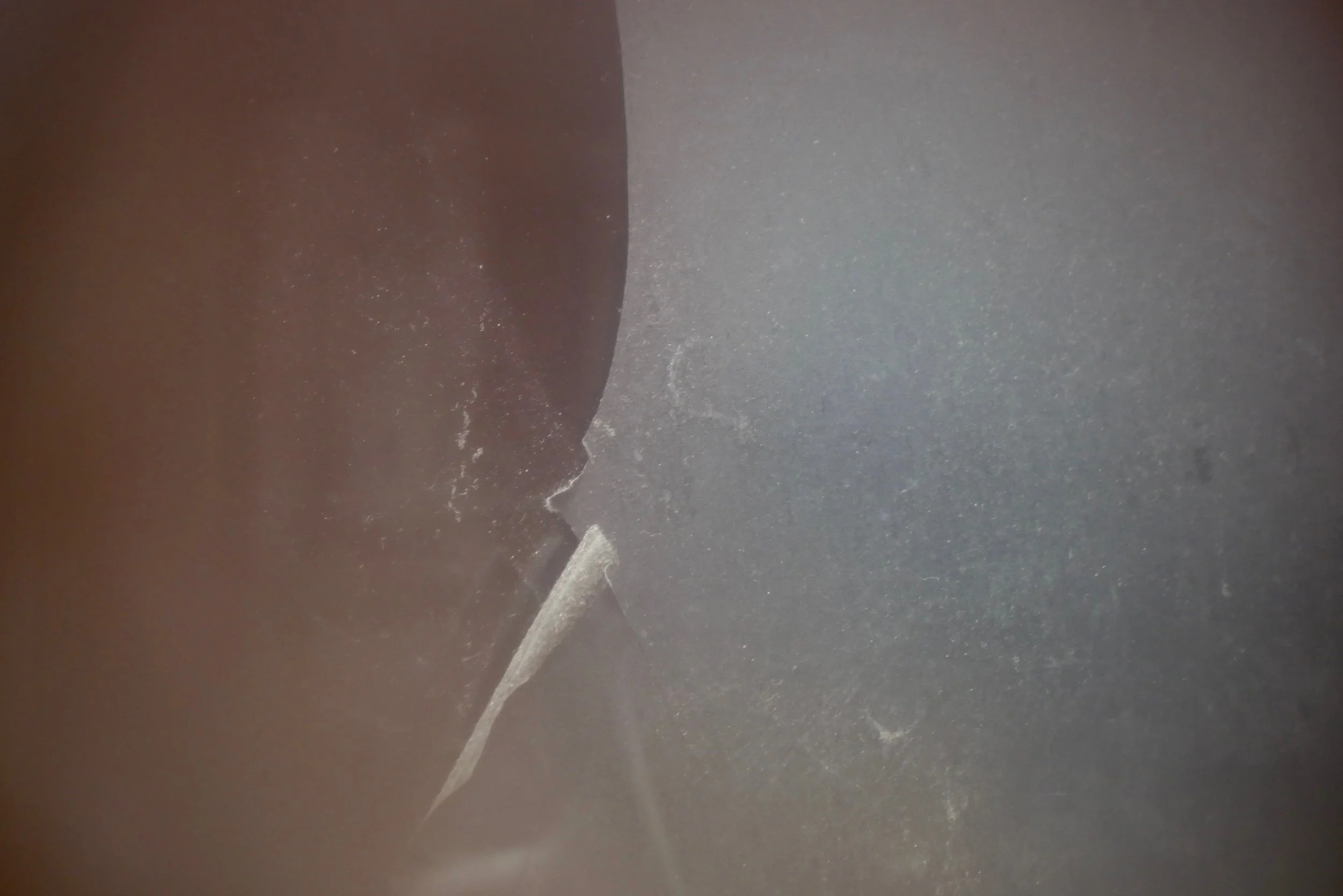
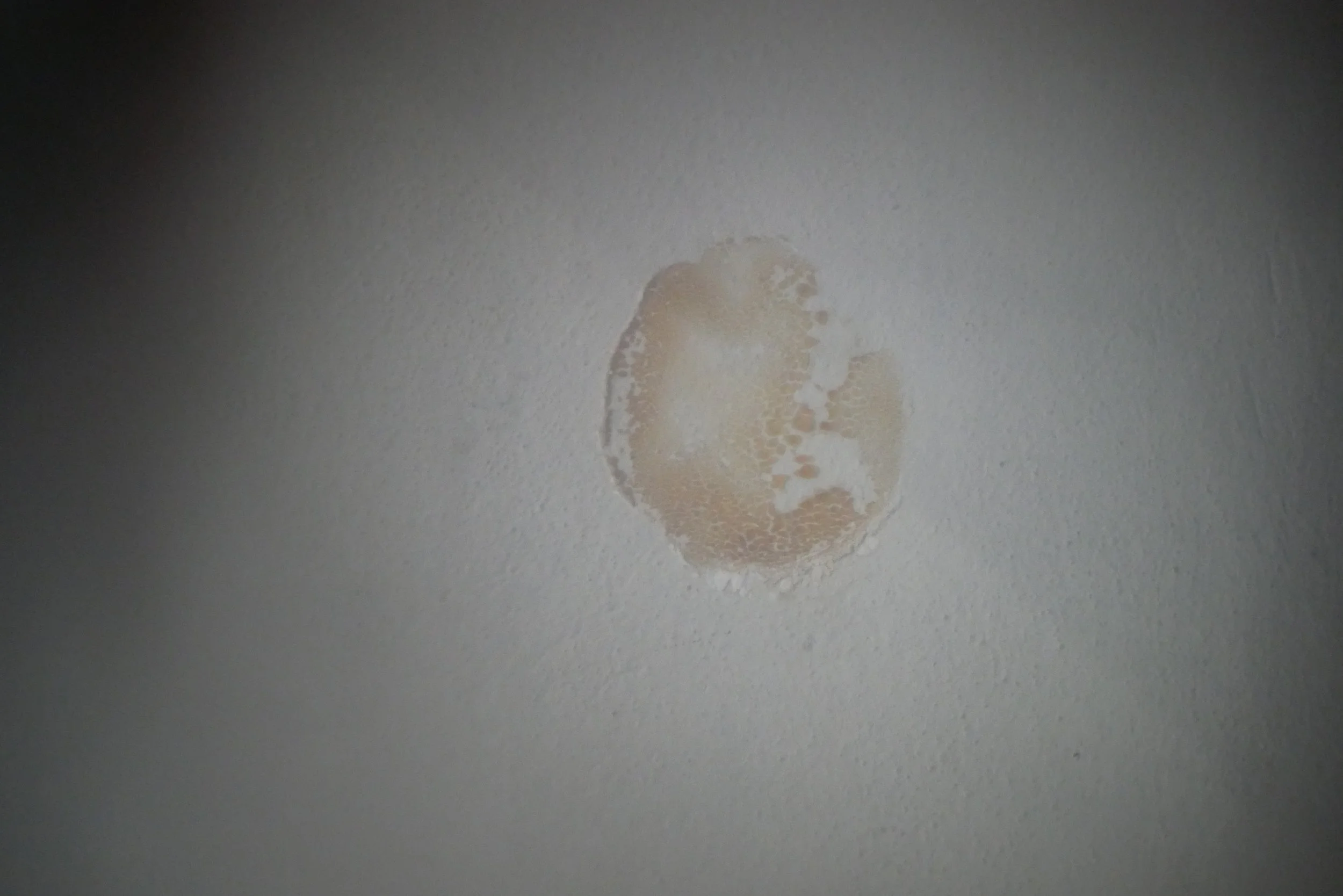
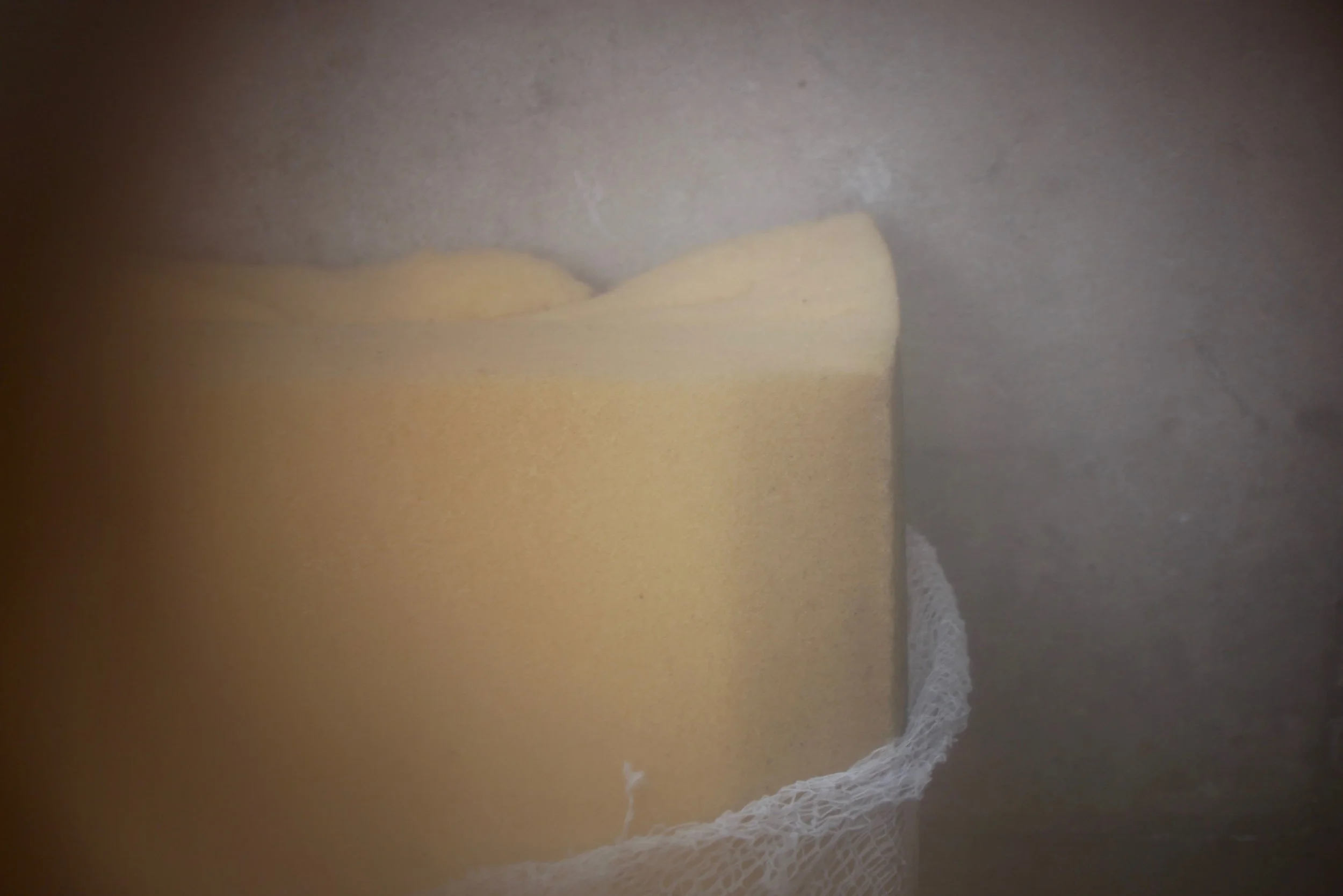
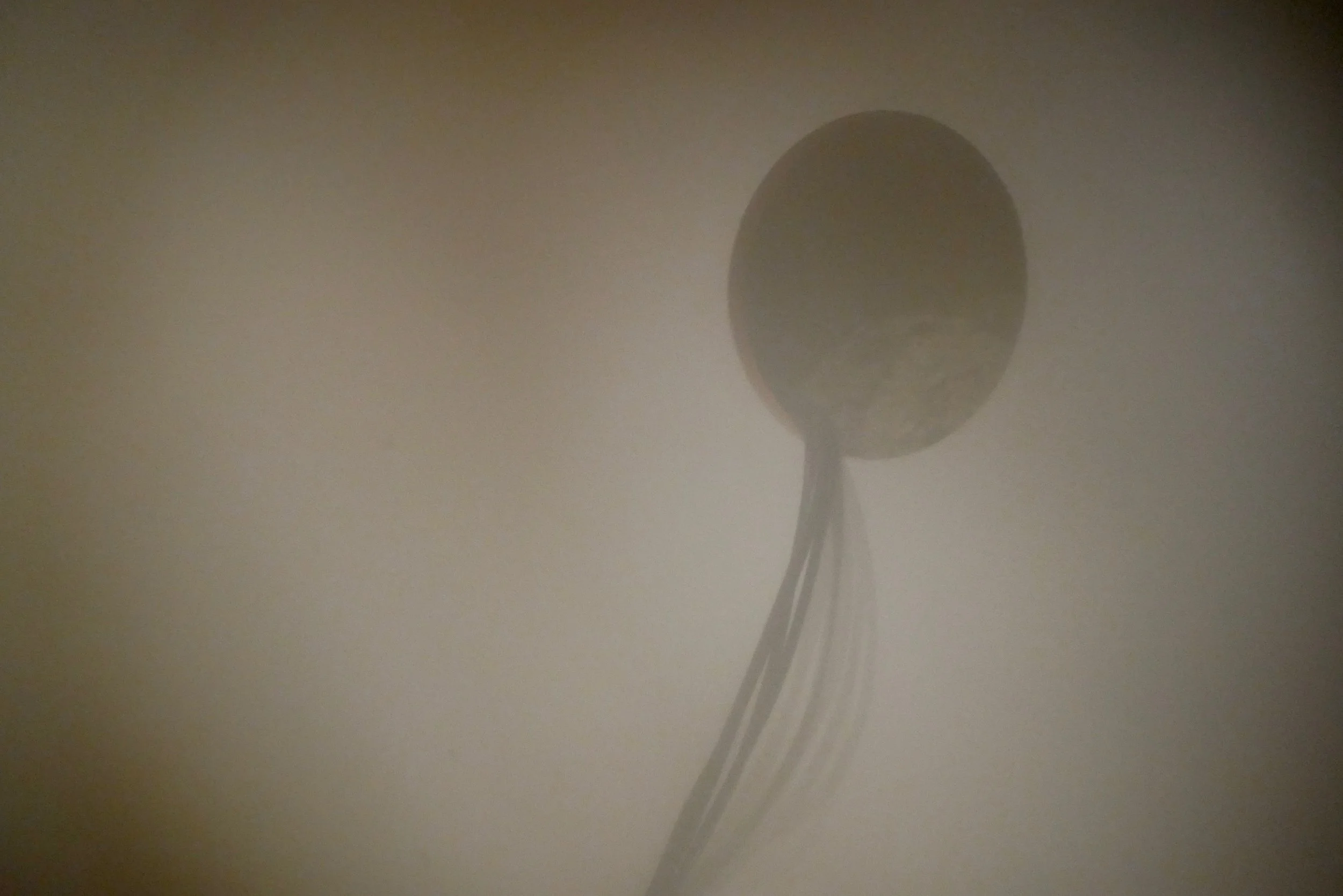
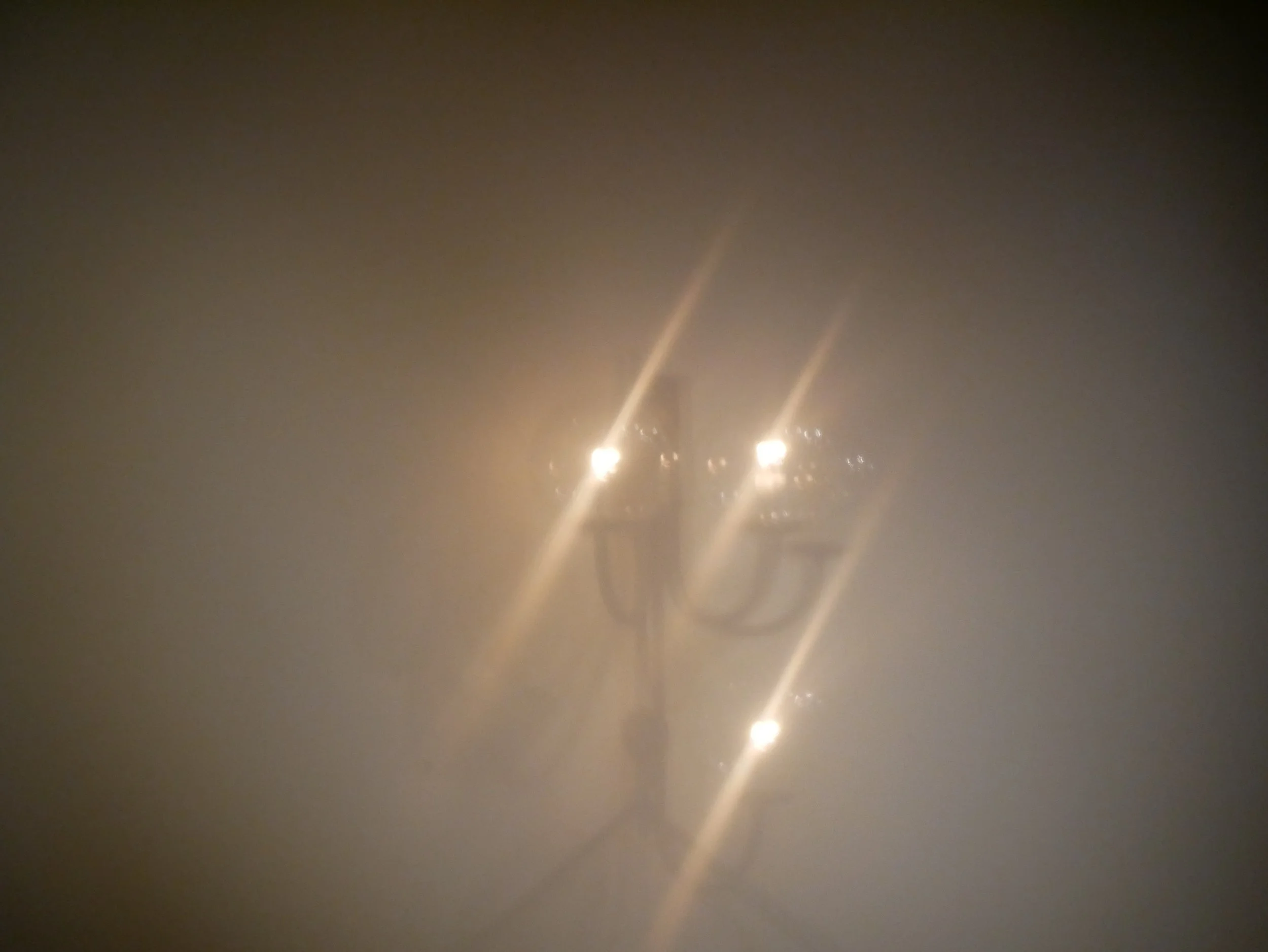
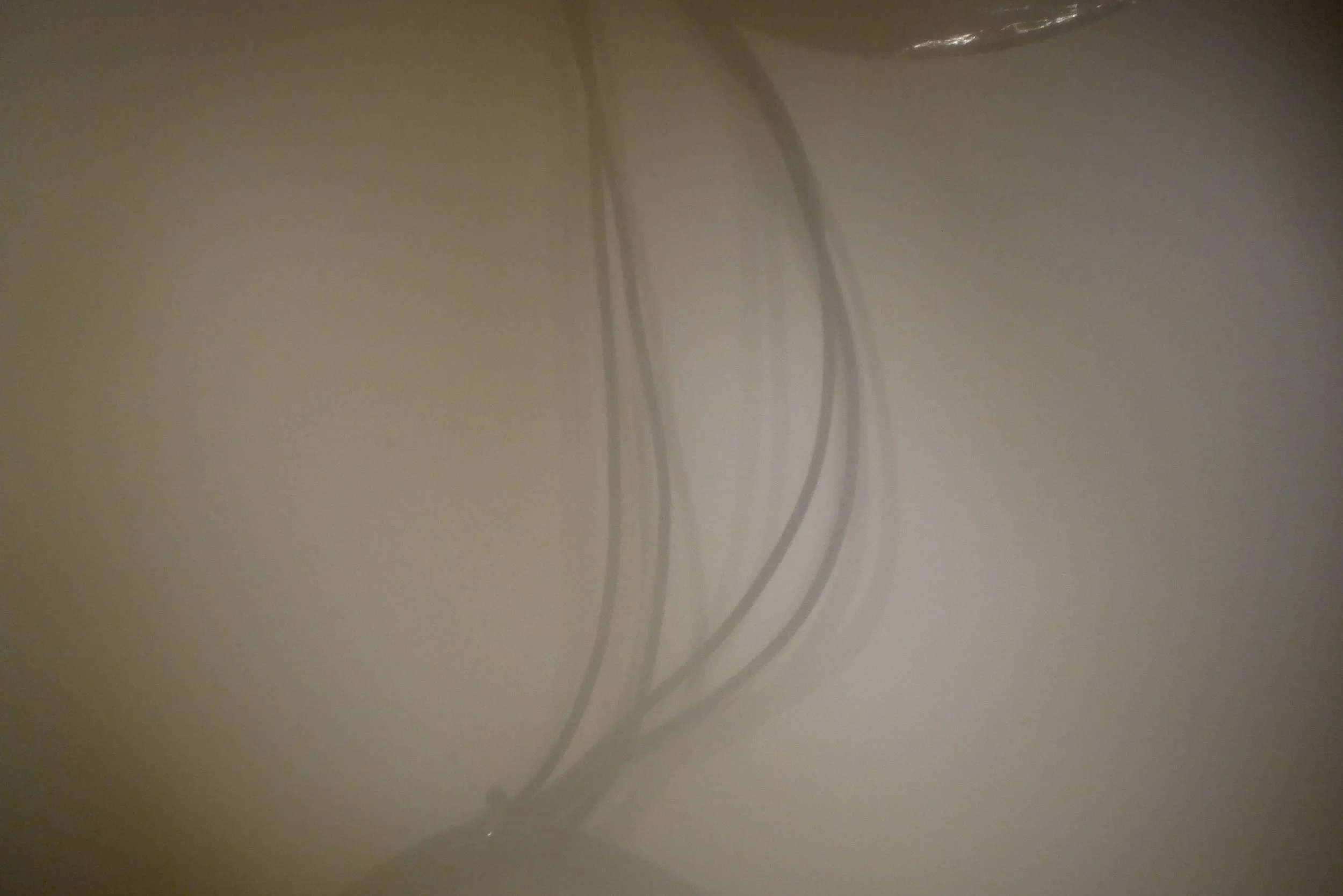
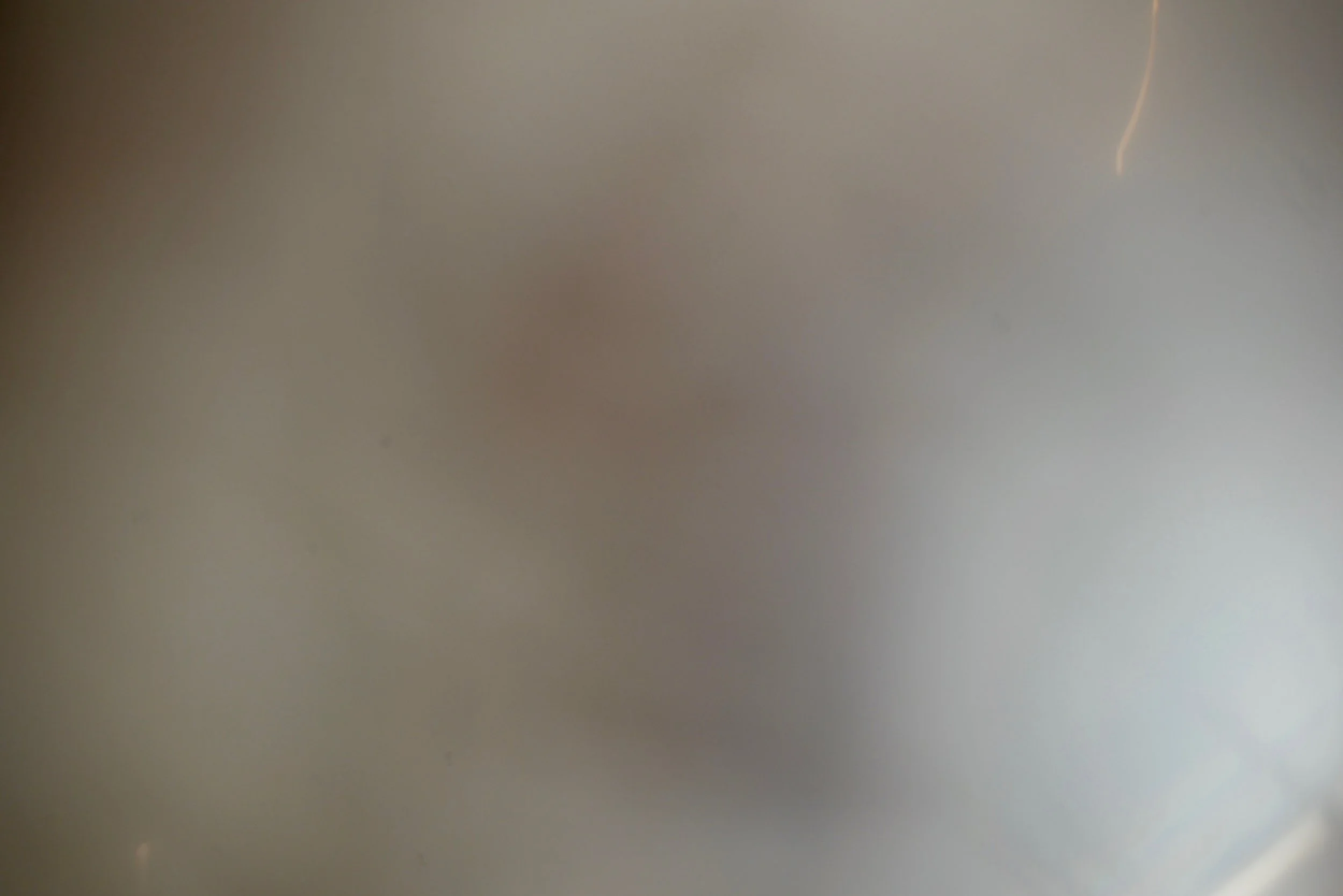
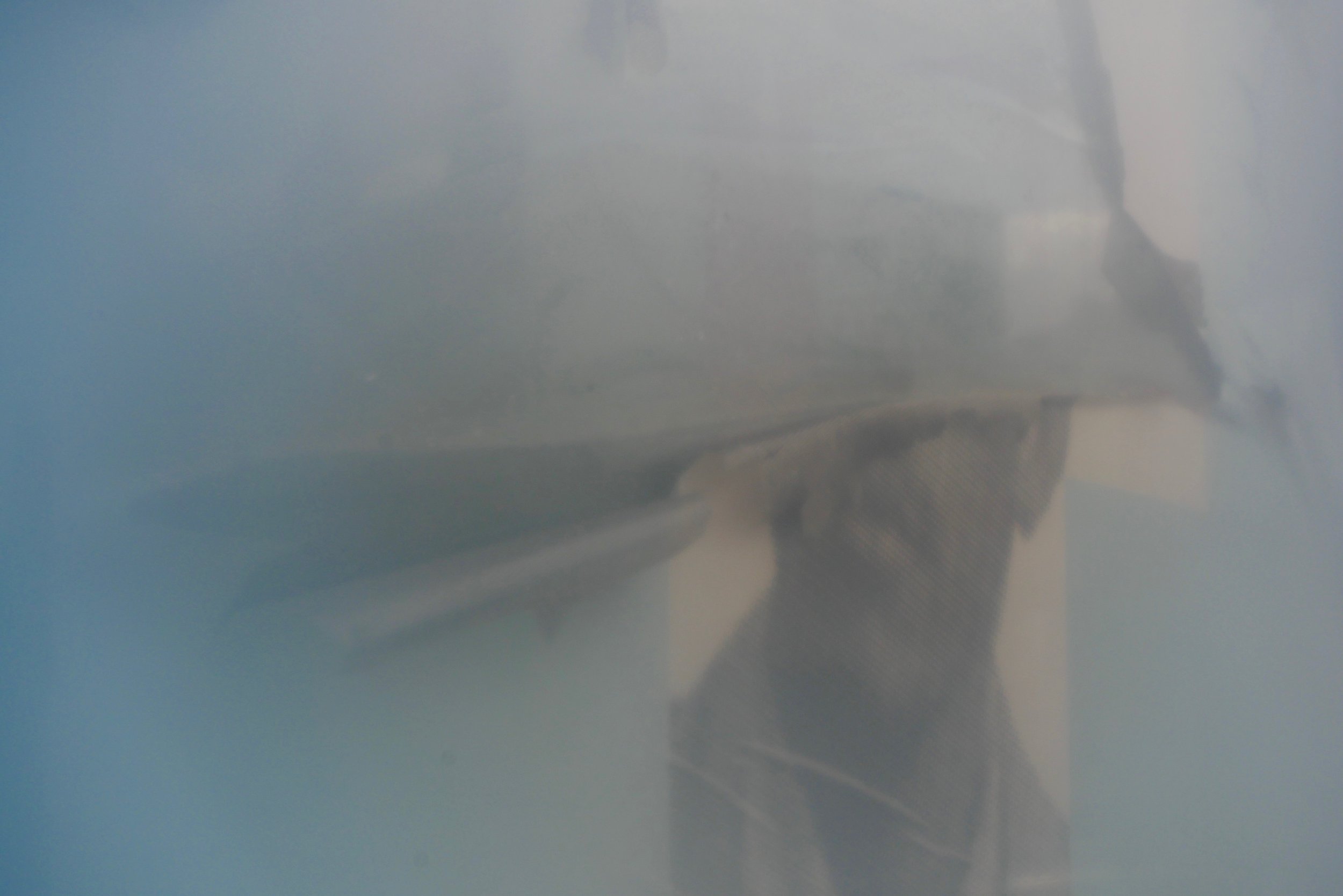
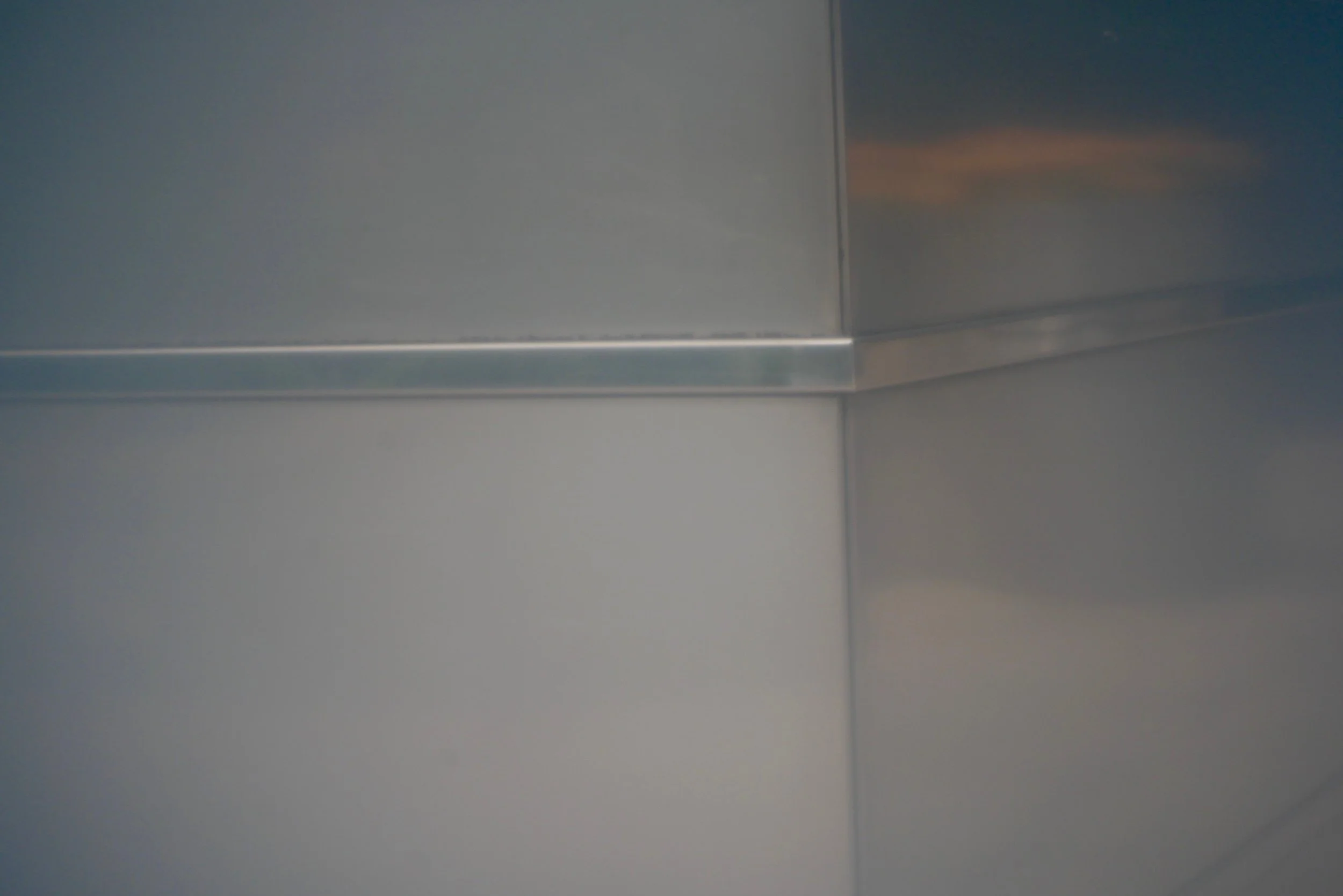
What appears, appears by withdrawing
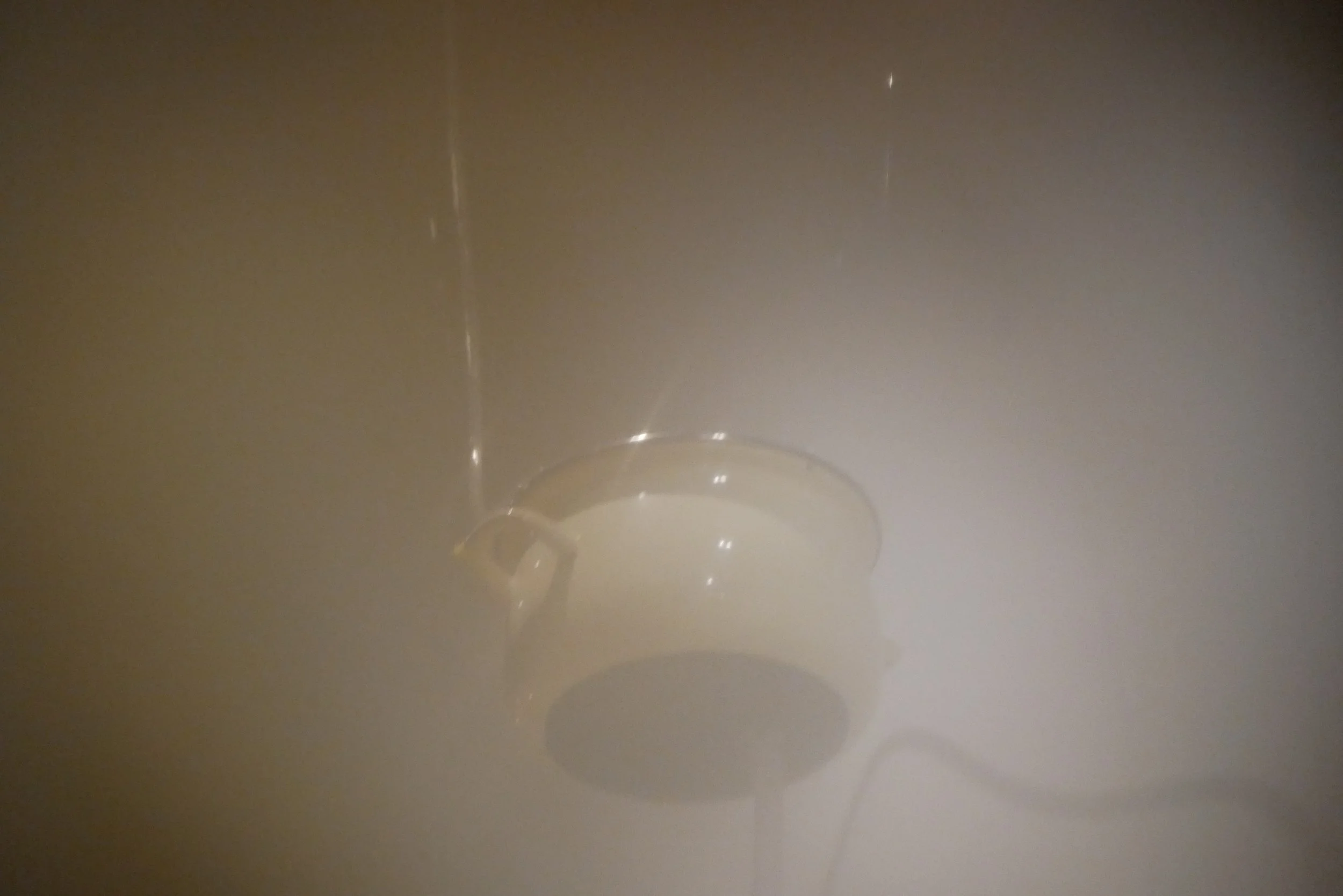
Giorgio Agamben: “To perceive in the darkness of the present this light that strives to reach us but cannot.”
Samuel Beckett: “Perhaps there is no whole, before you’re dead.”
EDITIONS
The photographs are artist-made prints on aluminium, in formats ranging from 30 × 40 in to 150 × 120 cm.
The making of the series is attentive to light, texture, and gesture: each shot arises from moments when surfaces subtly shift, when the eye might glance away but lingers.
The editions are limited, signed, and presented with a sense of intimacy and pause, rather than spectacle.
Size: 30 × 40 in to 150 × 120 cm
Material: High-quality aluminum
Finish: Gloss with natural sheen
Edition: Ope
DESCRIPTION
These photographs were made by placing a thin layer of cling film over the camera lens and applying lipstick to its surface. The intervention introduces a physical membrane between the lens and the world, allowing light, colour and form to pass through while resisting clarity.
The lens no longer functions as a transparent instrument. Figures, landscapes and interiors emerge through a surface that simultaneously reveals and obscures them. The lipstick becomes both material and gesture, staining the field of vision and making the obstruction part of the image itself.
Seeing becomes an encounter with a threshold: something is given, but never entirely.